


22 May International Day of Biodiversity 2025: Protecting Life’s Web for Generations to Come
This article covers “Daily Current Affairs” and the Topic. International Day of Biodiversity 2025: Protecting Life’s Web for Generations to Come
SYLLABUS MAPPING:
GS-3- Environment- International Day of Biodiversity 2025: Protecting Life’s Web for Generations to Come
FOR PRELIMS
What is biodiversity? Explain its importance for humans and the environment.
FOR MAINS
What is the Kunming-Montreal Global Biodiversity Framework? Why is it important?
Why in the News?
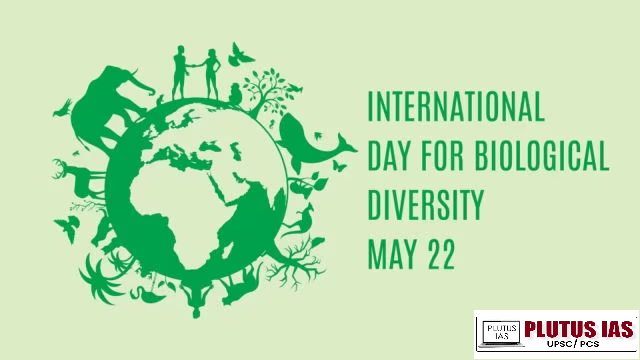
International Day for Biological Diversity is an important annual observance that shines a spotlight on the importance of biodiversity and the urgent need to protect it. Celebrated every year on 22 May, this day commemorates the adoption of the text of the Convention on Biological Diversity (CBD) in 1992.
What is Biological Diversity?
Biological diversity, or biodiversity, refers to the variety of all living organisms on Earth, including plants, animals, microorganisms, and the ecosystems they form. It includes diversity at the genetic, species, and ecosystem levels. Biodiversity plays a crucial role in maintaining ecological balance, supporting food security, and providing resources like medicine and clean air. However, it is under threat from habitat loss, pollution, overexploitation, and climate change. Conserving biodiversity is essential for sustaining life and ensuring a healthy planet for future generations.
Global Initiatives and Frameworks
1. Genetic Diversity: Refers to the variation of genes within individuals of a species; it allows species to adapt to changing environments and resist diseases.
2. Species Diversity: Denotes the variety and abundance of different species in a particular area; crucial for maintaining ecological balance.
3. Ecosystem Diversity: Represents the variety of ecosystems within a region; supports a wide range of habitats and ecological processes.
4. Functional Diversity: Involves the range of biological functions and ecological roles played by organisms in an ecosystem.
5. Taxonomic Diversity: Indicates the degree of genetic and evolutionary relationships among species in a given region.
6. Structural Diversity: Describes the physical organization and spatial arrangement of species and habitats within ecosystems.
7. Temporal Diversity: Refers to the variation in biodiversity across time, including seasonal, annual, and long-term ecological changes.
Importance of Biodiversity
1. Ecological Balance: Maintains the stability of ecosystems by supporting essential functions like nutrient cycling, pollination, and predator-prey relationships.
2. Ecosystem Services: Provide critical services such as air and water purification, soil formation, climate regulation, and waste decomposition.
3. Food Security: Ensures a variety of crops, livestock, and aquatic species, enhancing nutritional diversity and resilience against pests and diseases.
4. Medicinal Resources: Acts as a source of pharmaceutical compounds and traditional remedies essential for healthcare and drug development.
5. Livelihood Support: Sustains millions of people through agriculture, forestry, fisheries, and ecotourism, particularly in rural and indigenous communities.
6. Economic Development: Contributes significantly to national economies through biodiversity-based industries like biotechnology and green energy.
7. Cultural and Spiritual Value: Holds deep cultural, religious, and spiritual significance, reflected in customs, traditions, and conservation practices.
8. Resilience to Environmental Change: Enhances the ability of ecosystems to withstand and recover from climate change, natural disasters, and human disturbances.
Theme and Its Relevance (2025)
Theme: “Harmony with Nature and Sustainable Development”.
Link to current global challenges: climate change, ecological degradation, and sustainable development.
Alignment with SDGs and the Kunming-Montreal Global Biodiversity Framework (KMGBF).
Global Initiatives and Frameworks
1. Convention on Biological Diversity (CBD): A 1992 treaty focused on conserving biodiversity, promoting sustainable use, and fair sharing of genetic resources.
2. Kunming-Montreal Global Biodiversity Framework (KMGBF): Adopted in 2022, it sets 23 targets for 2030 and long-term goals for 2050 to halt biodiversity loss.
3. Sustainable Development Goals (SDGs): Biodiversity links closely with SDGs like climate action, zero hunger, clean water, and life on land.
4. Cartagena Protocol: A CBD agreement ensuring safe handling of genetically modified organisms to protect biodiversity.
5. Nagoya Protocol: Provides rules for fair sharing of benefits from genetic resource use, supporting conservation and sustainable use.
6. Global Biodiversity Information Facility (GBIF): An international network offering free access to biodiversity data to aid research and policy.
India’s Legal and Institutional Framework
1. Biological Diversity Act, 2002: India’s primary law to conserve biodiversity, regulate access to biological resources, and ensure equitable benefit sharing with local communities.
2. Biological Diversity (Amendment) Act, 2023: Updates to simplify procedures, encourage research, and maintain benefit-sharing principles.
3. National Biodiversity Authority (NBA): Apex body responsible for implementing the Biological Diversity Act, overseeing access and benefit-sharing, and advising the government.
4. State Biodiversity Boards (SBBs): State-level bodies coordinating biodiversity conservation and regulation within states.
5. Biodiversity Management Committees (BMCs): Local committees managing biodiversity at the community level, including maintaining People’s Biodiversity Registers.
India’s Biodiversity Initiatives
1. Sacred Groves Conservation: Traditional protection of forest patches considered sacred by local communities, preserving native flora and fauna. There are over 14,000 sacred groves in India, crucial for conserving biodiversity hotspots.
2. Agro-biodiversity Promotion: Encouraging cultivation of diverse crop varieties and livestock breeds to enhance resilience and food security. India is home to more than 50,000 plant species used in agriculture.
3. Traditional Conservation Practices: Indigenous knowledge systems are used for sustainable harvesting and ecosystem management, passed down through generations.
4. Sustainable Agriculture and Organic Farming: Government schemes like Paramparagat Krishi Vikas Yojana (PKVY) promote organic farming to reduce chemical inputs, protect soil biodiversity, and increase farmer incomes.
5. Protection of Biodiversity Hotspots: India hosts four biodiversity hotspots—the Himalayas, Western Ghats, Indo-Burma, and Sundaland. Special conservation programs and eco-sensitive zones have been established in these regions.
6. International Engagement and Leadership: India actively participates in the Conference of Parties (COP) to the CBD, influencing global biodiversity policies and advocating for the interests of megadiverse countries.
Challenges in Biodiversity Conservation
1. Habitat Loss and Fragmentation: Rapid urbanisation and infrastructure development have led to the loss of around 7% of India’s forest cover in the last two decades, threatening species habitats.
2. Pollution: Air, water, and soil pollution impact biodiversity, e.g., pesticide overuse affects pollinators and aquatic life, contributing to declines in species populations.
3. Climate Change: Rising temperatures and changing rainfall patterns disrupt ecosystems. The IPCC reports show India’s Himalayan glaciers retreating, threatening cold-water species.
4. Invasive Alien Species: Species like Lantana camara and Water hyacinth have invaded many ecosystems, outcompeting native species and altering habitats.
5. Overexploitation: Unsustainable hunting, fishing, and harvesting of medicinal plants threaten biodiversity. Nearly 30% of India’s vertebrate species are under threat due to overexploitation.
6. Human-Wildlife Conflict: Encroachment into wildlife habitats increases conflicts, leading to loss of both human lives and endangered animals, e.g., tiger and elephant corridors being disrupted.
7. Insufficient Funding and Capacity: Conservation programs often face budget constraints; the Ministry of Environment, Forest and Climate Change has an annual budget shortfall impacting enforcement and research.
8. Lack of Public Awareness: Many communities remain unaware of biodiversity’s importance, limiting participation in conservation efforts.
Way forward
1. Strengthen Institutions and Laws: Improve capacity and funding for biodiversity authorities to enforce laws and support research.
2. Engage Communities: Empower local and indigenous people by recognizing their rights and integrating traditional knowledge in conservation.
3. Restore Habitats: Expand protected areas, restore degraded ecosystems, and maintain wildlife corridors to support biodiversity.
4. Combat Climate Change: Incorporate biodiversity in climate policies through ecosystem-based adaptation and mitigation.
5. Control Pollution and Invasives: Enforce stricter pollution control and prevent invasive species spread.
6. Promote Sustainable Livelihoods: Support biodiversity-friendly agriculture, eco-tourism, and sustainable resource use.
7. Raise Awareness and Build Capacity: Increase public education and train stakeholders in biodiversity management.
8. Enhance Research and Monitoring: Use technology and data platforms for better conservation planning and action.
9. Foster Global Cooperation: Participate in international frameworks and share knowledge and resources with other countries.
Conclusion
Biological diversity is vital for sustaining life on Earth, supporting ecological balance, human well-being, and economic development. Despite serious threats like habitat loss and climate change, effective conservation through strong legal frameworks, community involvement, scientific research, and global cooperation can help protect biodiversity. Ensuring harmony with nature is essential for sustainable development and securing a healthy planet for future generations.
Download Plutus IAS Current Affairs (Eng) 22nd May 2025
Prelims Questions
Q. Which of the following protocols ensures fair sharing of benefits from genetic resources?
(a) Cartagena Protocol
(b) Nagoya Protocol
(c) Kyoto Protocol
(d) Montreal Protocol
Answer: B
Mains Questions
Q. “Biological diversity is essential for ecological balance and human well-being. Discuss the significance of biodiversity, major threats it faces, and suggest measures for its effective conservation.”
(250 words, 15 marks)

- Europe’s AI Rules May Become India’s Opportunity - August 14, 2026
- Transparency as the Foundation of Trust in Medicine - August 14, 2026
- A Timely Reset for the Food Security Act: From Foodgrain Security to Nutrition Security - August 13, 2026

No Comments