


05 Nov Encephalomyocarditis Virus (EMCV) Case in Delhi Zoo: Implications for Wildlife Health and Conservation Policy
This article covers “Daily Current Affairs” and From Encephalomyocarditis Virus (EMCV) Case in Delhi Zoo: Implications for Wildlife Health and Conservation Policy
SYLLABUS MAPPING
GS-3 – Environment- Encephalomyocarditis Virus (EMCV) Case in Delhi Zoo: Implications for Wildlife Health and Conservation Policy
FOR PRELIMS
What are the challenges in detecting diseases like EMCV in zoo animals?
FOR MAINS
What role can veterinarians play in protecting zoo animals from diseases?
Why in the News?
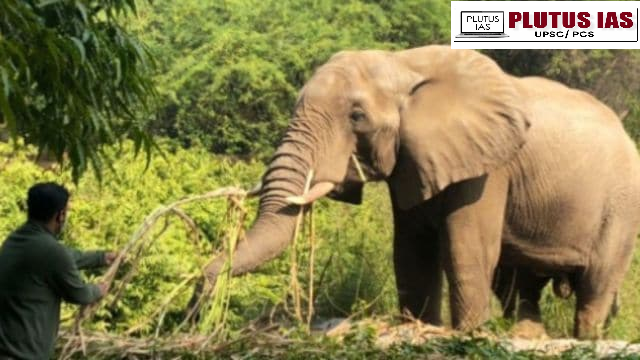
Shankar, a 29-year-old African elephant residing in Delhi’s National Zoological Park, died in September 2025 due to the Encephalomyocarditis Virus (EMCV) — a rare rodent-borne disease. This marks the first documented case of EMCV in an Indian zoo.
Background
Shankar was gifted by Zimbabwe in 1998 to then-President Shankar Dayal Sharma as part of diplomatic goodwill.
He lived 27 years in captivity, with the last 13 years in solitary confinement after the death of his companion elephant.
His isolation had been criticized by animal welfare organizations, who repeatedly requested that he be paired with a mate or relocated to a sanctuary.
About Encephalomyocarditis Virus (EMCV)
1. Type: RNA virus belonging to the Picornaviridae family.
2. Primary Host: Rodents (especially rats); they are asymptomatic carriers.
3. Transmission: Through ingestion of food or water contaminated with rodent urine or feces.
4. Affected Species: Pigs (main hosts), non-human primates, big cats, elephants, and occasionally humans.
5. Vulnerability: African elephants are highly susceptible — several zoo deaths globally have been linked to EMCV outbreaks.
Symptoms and Shankar’s Final Moments
1. On September 17, Shankar showed reduced appetite and loose stools, initially mild signs.
2. Despite immediate veterinary attention, he collapsed and died within hours, highlighting EMCV’s acute and fatal progression.
3. EMCV often causes sudden death due to myocarditis (heart inflammation) with minimal external symptoms.
Challenges in Disease Management
1. Rodent and Pest Control Difficulties: Open and naturalistic zoo enclosures make it extremely difficult to restrict the movement of rodents and other small mammals, such as squirrels, which act as asymptomatic carriers of EMCV.
2. Absence of Specific Vaccine or Cure: There is currently no vaccine or targeted antiviral treatment for Encephalomyocarditis Virus, leaving only preventive and supportive care as options once infection occurs.
3. Asymptomatic and Rapid Progression: EMCV often shows minimal or no visible symptoms before sudden cardiac failure, making early diagnosis and timely medical intervention almost impossible.
4. Environmental Persistence: The virus can survive in contaminated soil, feed, and water for extended periods, creating long-term environmental sources of infection even after disinfection attempts.
5. Inadequate Biosecurity Infrastructure: Many Indian zoos lack modern biosecurity measures, such as rodent-proof feed storage, routine viral screening, and controlled waste management systems.
6. Limited Awareness and Diagnostic Capacity: Veterinary personnel often face constraints in detecting rare zoonotic viruses due to lack of specialized diagnostic tools, laboratory support, and training in emerging wildlife diseases.
Institutional and Administrative Context
1. Concurrent Disease Outbreaks: The Delhi Zoo’s closure since August 30 due to avian influenza added strain to administrative resources and restricted regular monitoring activities.
2. Need for Integrated Surveillance: The EMCV case highlights the absence of an integrated, multi-species wildlife health surveillance system across Indian zoos.
3. Central Zoo Authority (CZA) Oversight: The CZA is expected to re-evaluate national biosecurity standards and enforce stricter rodent-control and hygiene protocols.
4. Coordination Challenges: Multiple authorities — zoo management, veterinary departments, and state forest agencies — often operate without unified response mechanisms.
5. Resource and Infrastructure Gaps: Limited veterinary staff, outdated facilities, and inadequate disease diagnostic capacity hamper rapid response to zoonotic threats.
6. Policy Review Imperative: This incident underscores the urgent need for revising India’s National Zoo Policy (1998) to include modern disease-prevention and welfare norms.
Broader Implications
1. Urban Zoonotic Risk Linkages: The case exposes how inadequate rodent control and waste management in urban areas can escalate zoonotic disease transmission risks.
2. One Health Perspective: Reinforces the global “One Health” principle — integrating animal, human, and ecosystem health for preventing pandemics.
3. Public Health Relevance: Zoo-based infections can spill over into human populations, emphasizing biosecurity as a part of public health strategy.
4. Ethical and Welfare Considerations: Raises moral questions on keeping intelligent, social animals like elephants in isolation without environmental enrichment.
5. Scientific Zoo Management: Calls for evidence-based management practices, including regular health audits and digital record-keeping of zoo animals.
6. Global Reputation of Indian Zoos: Incidents like these affect India’s international image in wildlife care and conservation, demanding improved compliance with World Association of Zoos and Aquariums (WAZA) guidelines.
Way Forward
1. Enhanced Biosecurity: Implement rodent-proof feed storage, regular pest monitoring, and improved sanitation across enclosures.
2. Veterinary Capacity Building: Train veterinarians and staff in zoonotic disease identification, quarantine measures, and emergency response protocols.
3. Companion Animal Policy: Mandate pairing or social grouping for elephants and other social species to prevent psychological distress and improve welfare.
4. Public Awareness and Transparency: Conduct public education campaigns on animal welfare and regularly publish zoo health status reports to build trust.
5. Research and Collaboration: Encourage partnerships between zoos, veterinary universities, and public health institutions for studying rodent-borne and emerging wildlife viruses.
6. Policy and Monitoring Reforms: Update national zoo guidelines to align with global best practices, and institute periodic third-party inspections for compliance and accountability.
Conclusion
The death of Shankar, the African elephant, is a stark reminder of the fragile balance between wildlife conservation, disease management, and animal welfare ethics in captivity. It exposes critical gaps in zoo biosecurity, rodent control, and emotional well-being of animals — especially for highly intelligent and social species like elephants. The incident also highlights the emerging threat of zoonotic viruses such as EMCV, reinforcing the need for a “One Health” approach that integrates human, animal, and environmental health.
Prelims question:
Q. Consider the following statements regarding Encephalomyocarditis Virus (EMCV):
1. It is an RNA virus belonging to the Picornaviridae family.
2. Rodents act as asymptomatic carriers of this virus.
3. It primarily affects elephants and tigers but not pigs.
Which of the statements given above is/are correct?
(a) 1 and 2 only
(b) 2 and 3 only
(c) 1 only
(d) 1, 2, and 3
Answer: A
Mains Question:
Q. The death of Shankar, the African elephant, at Delhi Zoo highlights critical challenges in animal welfare, disease surveillance, and ethical zoo management in India. Discuss in the light of the “One Health” approach. (250 words)

- Europe’s AI Rules May Become India’s Opportunity - August 14, 2026
- Transparency as the Foundation of Trust in Medicine - August 14, 2026
- A Timely Reset for the Food Security Act: From Foodgrain Security to Nutrition Security - August 13, 2026

No Comments