


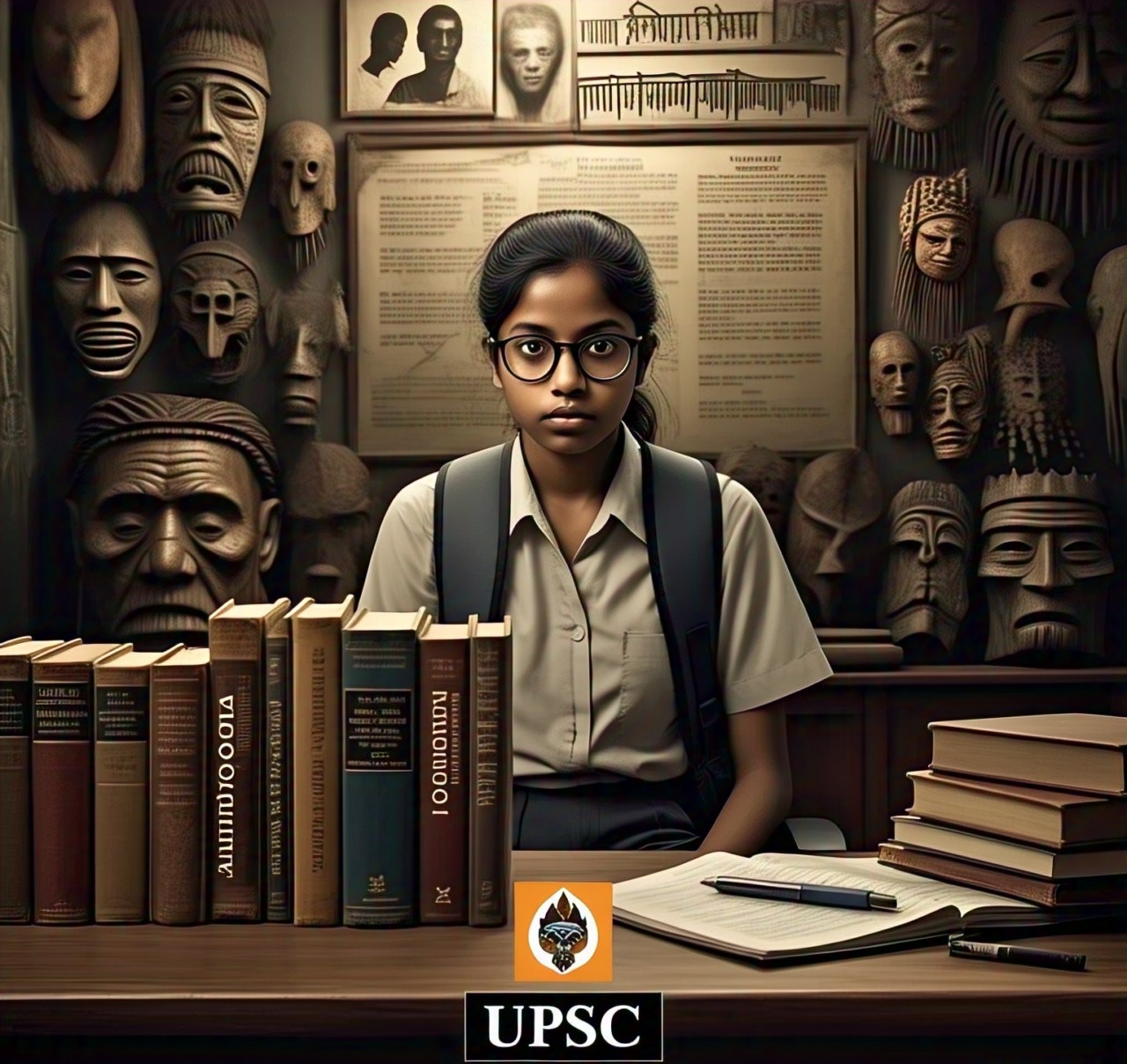
16 Apr Is Anthropology a good optional for UPSC CSE aspirant?
Is Anthropology a Good Optional for UPSC?
Why is Anthropology a Popular Optional in UPSC?
Anthropology is the study of human evolution, cultural development, social systems, and biological aspects of mankind. Its interdisciplinary nature makes it a unique blend of science and humanities, suitable for aspirants from both technical and non-technical backgrounds.
Key reasons for its popularity include:
- Short and Well-Defined Syllabus: Compared to other optionals, Anthropology has a relatively concise syllabus that can be completed in 3–4 months with disciplined study.
- High Scoring Subject: With the right strategy and answer writing practice, Anthropology can fetch marks as high as 280–320 out of 500, making it a top-scoring optional.
- Scientific Orientation: Aspirants with a science background (especially MBBS, BDS, or BSc) find it easy to relate to topics such as human evolution, genetics, and biological anthropology.
- Minimal Overlap with GS: This makes Anthropology an independent optional, reducing redundancy and helping aspirants compartmentalize their preparation.
- best anthropology optional teacher is Dr Huma Hassan a Doctorate from JNU and Gold medalist.
Anthropology Optional: Syllabus Structure
Anthropology is divided into two papers, each carrying 250 marks.
- Paper I: Focuses on general anthropology, covering evolutionary biology, social anthropology, cultural evolution, and theories.
- Paper II: Deals with Indian anthropology — including tribes of India, caste system, village studies, and applied anthropology in the Indian context.
The syllabus is static, meaning it doesn’t change often, and the questions are mostly direct. This provides an edge for thorough preparation and confident answer writing.
Success Rate and Toppers with Anthropology
Over the years, Anthropology has produced several toppers and high-rankers in UPSC:
- Anudeep Durishetty (AIR 1 – 2017): Anthropology was his optional.
- Junaid Ahmad (AIR 3 – 2018): Chose Anthropology for its scoring potential.
- Varun Reddy (AIR 7 – 2018): Scored over 340 marks in Anthropology, showcasing its huge potential.
The consistency in results has made Anthropology one of the most trusted optional subjects in the UPSC community.
Who Should Choose Anthropology?
Anthropology is ideal for:
- Students from science backgrounds (especially biology, medical, and engineering).
- Non-science students looking for a subject with conceptual clarity and less ambiguity.
- Aspirants who prefer diagrams, flowcharts, and structured answers.
- Those comfortable with memorization of technical content and diagrams.
Even without prior knowledge, Anthropology can be learned from scratch. Many toppers took it up without any academic background in the subject.
Books and Resources for Anthropology
- Paper I: Ember & Ember, P. Nath, Munirathnam Reddy notes, IGNOU material.
- Paper II: Indian Anthropology by Nadeem Hasnain, Tribal India by Xaxa, Dr. Huma Hassan’s test series notes (PlutusIAS).
- Answer Writing: PlutusIAS Test Series (8 sectional + 4 full-length), value-added content, and model answers.
Tips to Excel in Anthropology Optional
- Master the Basics: Understand core concepts like evolution, kinship, marriage systems, race, and social structures before diving deeper.
- Use Diagrams and Flowcharts: Anthropology answers must be enriched with labelled diagrams for better scores.
- Link Paper I & II: Many questions demand an interdisciplinary approach, connecting theory and Indian context.
- Join a Quality Test Series: Opt for feedback-driven tests like the one offered by PlutusIAS to sharpen your answer writing skills.
- Best ias coaching in chandigarh
Conclusion: Is Anthropology a Good Optional for UPSC?
In conclusion, Anthropology is undoubtedly a good optional for UPSC aspirants — especially those seeking a concise syllabus, high scoring potential, and scientific structure. Its static nature, clear definitions, and diagrammatic representation make it ideal for consistent and confident preparation. However, success depends on your genuine interest, regular revision, and answer writing practice.
Whether you’re from science or humanities, if you are willing to dedicate effort and practice, Anthropology can be the game-changer in your UPSC journey.
FAQs on Anthropology Optional
1. Can I take Anthropology without a science background?
Yes. With proper guidance and resources, even humanities students can do exceptionally well in Anthropology.
2. Is coaching necessary for Anthropology?
While self-study is possible, structured coaching or a test series like PlutusIAS can add immense value in concept building and answer writing.
3. How long does it take to prepare Anthropology optional?
With daily 3–4 hours of study, Anthropology can be prepared in 3–4 months effectively.
4. Is Anthropology good for medical graduates?
Yes, it’s one of the most suitable optionals for MBBS and life science graduates due to overlapping subjects.
Sociology or Anthropology. Which is good optional for UPSC?

- कर्नाटक उच्च न्यायालय ने बाल हिरासत मामलों में ‘पेरेंटिंग टाइम’ शब्द अपनाने का आदेश दिया - October 7, 2026
- RBI Rate Hike: How Home Loan EMIs Burden Middle-Class Buyers - October 7, 2026
- भारत के राज्यमंत्री (स्वतंत्र प्रभार) की आर्कटिक सर्कल असेंबली में भागीदारी - October 7, 2026

No Comments