


07 Aug Lok Sabha Passes Bill Granting Tax Exemption to Foreign Bond Investors
✎ Tax exemption for FPIs on bond interest aims to enhance foreign investment in India’s debt markets.
Relevance for UPSC & State PCS: Polity
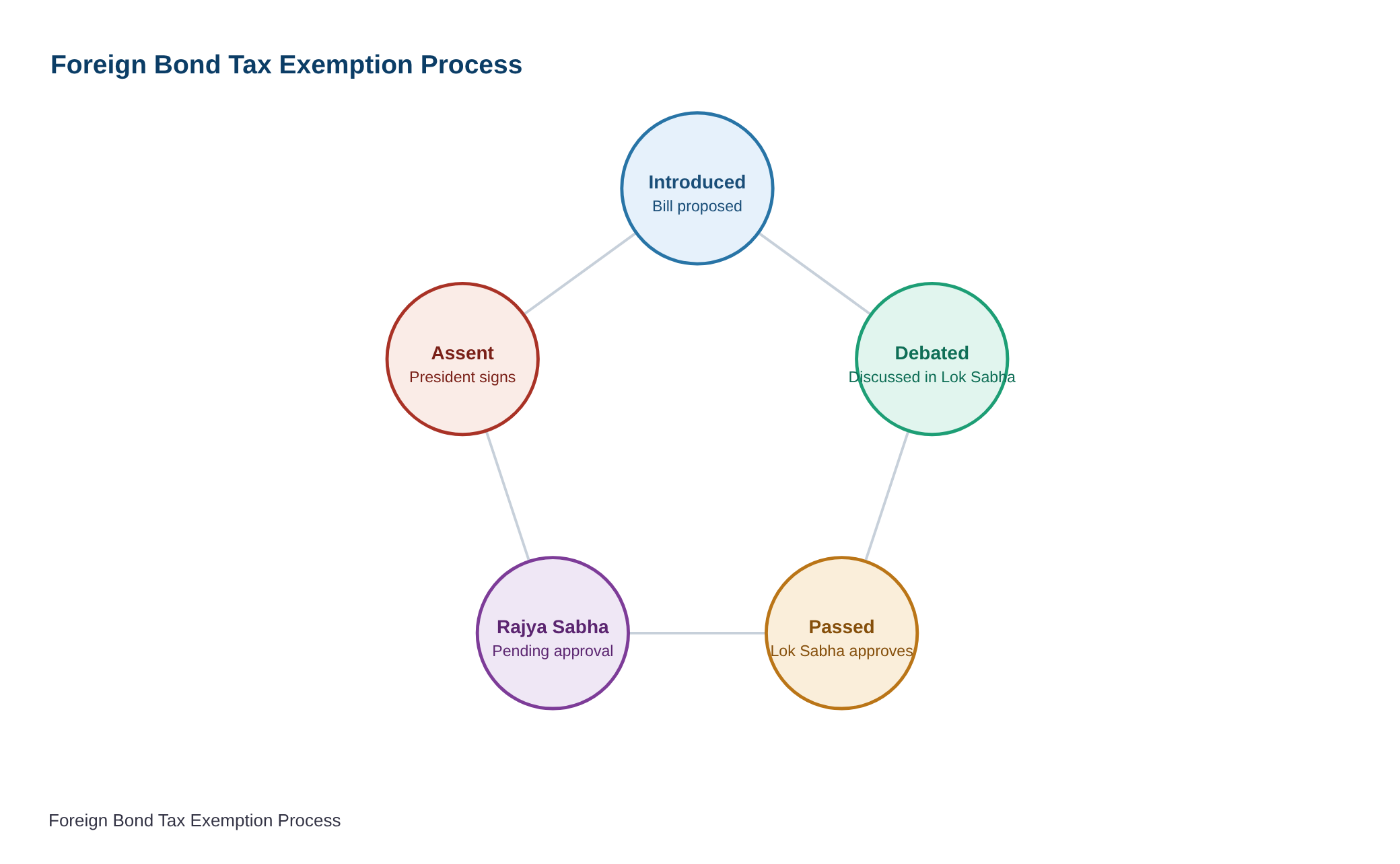
The Lok Sabha recently passed the *Finance (No. 2) Bill, 2024*, which includes a provision granting tax exemptions to foreign investors purchasing bonds issued by Indian entities. The amendment, introduced through Clause 115 of the Bill, exempts foreign bondholders from paying tax on interest earned from such investments, aligning India’s tax regime with global practices to attract capital inflows. This move is part of the government’s broader strategy to deepen the corporate bond market and reduce reliance on volatile foreign portfolio investments in equities. The exemption applies to bonds with a minimum residual maturity of three years, ensuring long-term capital commitments while mitigating short-term speculative risks.
This legislative change holds significant relevance for UPSC and State PCS aspirants, particularly in the context of India’s economic policies and fiscal federalism. For UPSC mains, understanding the interplay between taxation, capital markets, and economic diplomacy is crucial, as questions often probe the rationale behind such reforms and their impact on India’s fiscal sovereignty. The exemption reflects a shift toward liberalizing foreign investment norms, a topic frequently examined in the *Indian Economy* and *Government Policies* sections of the syllabus. State PCS aspirants, especially those focusing on economic administration, must grasp how such measures influence state-level financial institutions and bond markets, which are increasingly integrated with global capital flows.
The bill also underscores the government’s commitment to addressing structural challenges in India’s debt markets, where corporate bonds remain underutilized compared to other emerging economies. By incentivizing foreign participation, the exemption aims to lower borrowing costs for Indian firms while enhancing the liquidity of the bond market. For aspirants, this highlights the importance of tracking legislative amendments that bridge policy gaps in financial sectors, a recurring theme in UPSC’s *Current Affairs* and *Economic Development* segments. Additionally, the move could have indirect implications for state finances, as improved market conditions may reduce the cost of capital for state-owned enterprises or infrastructure projects funded through bonds.
From a constitutional perspective, the tax exemption raises questions about the division of fiscal powers between the Centre and states, particularly under Article 265, which mandates that no tax shall be levied or collected except by authority of law. While the Centre has the prerogative to frame tax policies for foreign investments, states may need to align their revenue models with such exemptions, especially if they rely on stamp duties or other levies on bond transactions. For UPSC, this presents an opportunity to analyze the federal dimensions of economic policymaking, while State PCS aspirants should consider how such exemptions could affect their respective states’ fiscal strategies, particularly in attracting investments for development projects.
Source: ndtv.com
Practice Questions
Q1. Which legislative body recently passed a bill granting tax exemptions to foreign bond investors?
- Rajya Sabha
- Lok Sabha
- President of India
- Supreme Court of India
Answer
Lok Sabha — The Lok Sabha is the lower house of India’s Parliament and is responsible for passing bills before they are sent to the Rajya Sabha or President for approval.
Q2. What is the primary purpose of the bill passed by the Lok Sabha regarding foreign bond investors?
- To increase taxes on foreign bond investments
- To grant tax exemptions to foreign bond investors
- To ban foreign bond investments in India
- To regulate stock market operations
Answer
To grant tax exemptions to foreign bond investors — The bill aims to provide tax exemptions to foreign bond investors, likely to attract more foreign investment into India’s bond market.
Generated by AanyaAi for educational purpose.

- Karnataka HC rules against insurance condition on tractor-trailers for hire/reward use - October 3, 2026
- युवा संगम: सिक्किम-राजस्थान सांस्कृतिक आदान-प्रदान से सीखें विरासत - October 3, 2026
- Karnataka Launches Praja Seva Legal Aid Centre for Court Case Resolution - October 3, 2026

No Comments