



12 Nov AI Commercialisation vs. Public Good: UPSC Analysis
✎ The ethical governance of Artificial Intelligence necessitates a 'human-in-the-loop' approach, robust regulatory frameworks, and a commitment to public welfare over unbridled commercialisation to mitigate biases and ensure safety…
Subject Relevance — Where This Topic Fits
- GS Paper II — Governance, Social Justice | GS Paper III — Science and Technology, Economy
- Prelims: Artificial Intelligence (AI), AI Ethics, AI Regulation, Data Bias, Human-in-the-loop, Digital Governance, Healthcare Technology, Technological Sovereignty
- Essay: The ethical imperative in technological advancement, Navigating the dual-use dilemma of emerging technologies
Quick Revision: The ethical governance of Artificial Intelligence necessitates a ‘human-in-the-loop’ approach, robust regulatory frameworks, and a commitment to public welfare over unbridled commercialisation to mitigate biases and ensure safety across all sectors.
Why is this in the news?
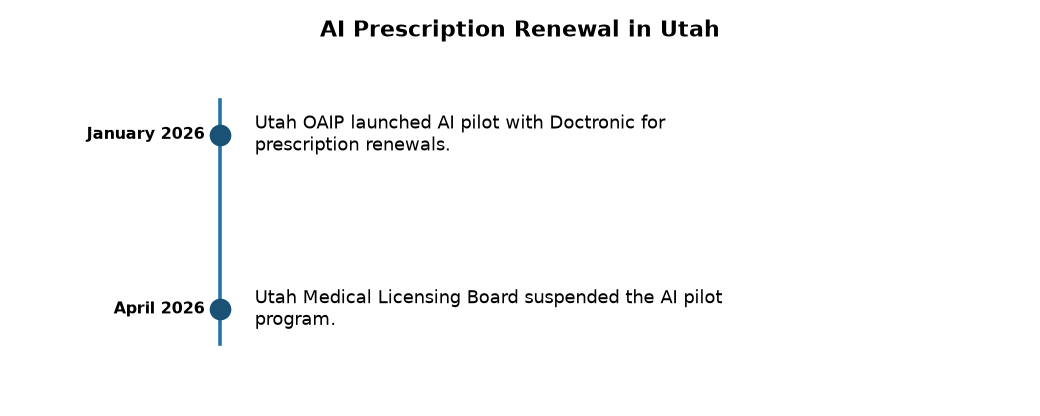
A recent incident involving the suspension of an AI-led prescription renewal pilot programme in Utah, USA, has brought to the forefront critical discussions regarding the ethical deployment and commercialisation of Artificial Intelligence (AI) in sensitive sectors like healthcare. This event underscores the ongoing global debate among governments, corporations, and medical professionals about ensuring patient safety and human oversight in AI systems, rather than prioritising profit-driven applications.
Background
- The rapid proliferation of Artificial Intelligence (AI) across various sectors has necessitated a global discourse on its responsible development and deployment.
- Concerns have emerged regarding the potential for AI systems, if unchecked, to exacerbate existing societal biases due to biased data collection, model development, and validation processes.
- The ‘human-in-the-loop’ concept is gaining traction, advocating for continuous human oversight and intervention throughout the AI lifecycle to mitigate risks and ensure accountability.
- Regulatory bodies worldwide are grappling with the challenge of formulating comprehensive frameworks that foster AI innovation while safeguarding public interest and ethical considerations.
- The commercialisation of AI, driven by profit motives, is often perceived as potentially overlooking critical operational challenges and ethical implications, particularly in high-stakes domains like healthcare.
- International organisations and national governments are exploring various approaches to AI governance, ranging from voluntary guidelines to stringent legislative measures, to address issues of safety, privacy, and fairness.
Ethical Considerations in Artificial Intelligence Deployment
- Ethical AI deployment necessitates a framework that prioritises human well-being, safety, and societal benefit over purely commercial interests.
- The ‘human-in-the-loop’ principle advocates for human involvement at critical stages of AI system design, development, deployment, and decision-making to ensure accountability and prevent autonomous errors.
- Bias in AI systems can arise from skewed datasets, algorithmic design flaws, or prejudiced problem formulations, leading to discriminatory or inaccurate outcomes.
- Transparency and explainability are crucial for ethical AI, allowing stakeholders to understand how AI systems arrive at their decisions and identify potential biases or errors.
- Data privacy and security are paramount, requiring robust mechanisms to protect sensitive information processed by AI systems, especially in sectors like healthcare.
- The responsible development of AI involves anticipating and mitigating potential societal impacts, including job displacement, ethical dilemmas, and the erosion of human agency.
- Regulatory frameworks are essential to establish clear guidelines, standards, and enforcement mechanisms for AI development and deployment, ensuring adherence to ethical principles.
- The debate extends beyond healthcare to all sectors, emphasising the need for universal ethical standards in AI to prevent negative consequences across diverse applications.
Key Features
| Feature | Significance |
|---|---|
| AI in Healthcare | Offers potential for streamlining administrative tasks, such as prescription renewals, thereby reducing practitioner workload and improving patient access to medical services. |
| Human Oversight in AI | Crucial for ensuring patient safety and ethical deployment of AI systems, particularly in sensitive sectors like healthcare, to prevent adverse outcomes. |
| Commercialisation of AI | The drive for profit can lead to the uncritical adoption of AI, potentially overlooking critical operational challenges and ethical considerations. |
| Bias in AI Algorithms | AI models can reflect and perpetuate existing societal biases (demographic, racial, gender, etc.) from their training data, leading to skewed outcomes and diagnoses. |
| Regulatory Frameworks for AI | Essential for governing the development, deployment, and usage of AI to balance innovation with public safety and ethical standards. |
Why it Matters
Ethical Implications
- Highlights the imperative for ethical considerations in AI development and deployment, particularly concerning patient safety and human well-being.
- Raises questions about the balance between technological advancement and the preservation of human oversight and accountability in critical decision-making processes.
Governance and Regulation
- Underscores the necessity for robust regulatory frameworks to govern AI applications, ensuring they operate within defined parameters and with appropriate safeguards.
- Illustrates the challenges faced by regulatory bodies in adapting to rapid technological advancements and establishing effective oversight mechanisms for AI.
Public Health and Safety
- Emphasises the paramount importance of patient safety in the adoption of AI in healthcare, advocating for a ‘human-in-the-loop’ approach.
- Reveals potential risks associated with automated systems in healthcare, such as misdiagnosis or inappropriate treatment, if critical human evaluation is absent.
Socio-Economic Impact
- Points to the potential for AI to transform various sectors, including healthcare, by enhancing efficiency and accessibility.
- Warns against the unbridled commercialisation of AI, which may prioritise profit over societal benefit and equitable access to technology.
Challenges
1. Ensuring Patient Safety with AI
- Automated systems, without adequate human oversight, can compromise patient safety, as demonstrated by the Utah pilot program’s suspension.
- The complexity of medical conditions and individual patient variations necessitates human judgment to prevent misdiagnosis or inappropriate treatment recommendations by AI.
UPSC Link: Science & Technology; Health
2. Addressing Bias in AI Algorithms
- AI models can inherit and amplify biases present in their training data, leading to discriminatory outcomes based on demographic, racial, or gender factors.
- Biased algorithms can result in incorrect diagnoses or prescriptions, exacerbating existing health disparities and undermining equitable healthcare access.
UPSC Link: Science & Technology; Ethics
3. Balancing Innovation and Regulation
- The rapid pace of AI development often outstrips the ability of regulatory bodies to establish comprehensive and effective oversight mechanisms.
- Striking a balance between fostering technological innovation and implementing stringent regulations to protect public interest is a significant policy challenge.
UPSC Link: Science & Technology; Governance
4. Commercialisation vs. Public Good
- The profit-driven development and deployment of AI can lead to a focus on commercial viability over ethical considerations and societal benefits.
- There is a risk that AI’s potential for social good may be undermined by market forces prioritising revenue generation over critical human oversight and safety protocols.
UPSC Link: Science & Technology; Ethics; Economy
Challenges — UPSC Perspective
| Issue | Concern |
|---|---|
| Lack of Human Oversight | Potential for AI to make critical decisions without human review, leading to errors or unsafe outcomes, especially in healthcare. |
| Algorithmic Bias | AI models reflecting and perpetuating societal biases from training data, resulting in unfair or inaccurate outcomes for certain demographic groups. |
| Commercialisation Pressure | Prioritisation of profit motives over ethical considerations and patient safety in the rapid deployment of AI technologies. |
| Regulatory Lag | Difficulty for existing legal and regulatory frameworks to keep pace with the rapid advancements and complex implications of AI. |
| Accountability Gaps | Unclear lines of responsibility when AI systems cause harm, making it challenging to assign blame or seek redress. |
Way Forward
- Implement robust ‘human-in-the-loop’ mechanisms across the AI lifecycle, ensuring critical human oversight in problem formulation, data management, model validation, and final decision-making.
- Develop comprehensive ethical guidelines and regulatory frameworks specifically for AI, focusing on transparency, accountability, fairness, and safety, particularly in sensitive sectors like healthcare.
- Invest in research and development to identify and mitigate algorithmic biases, promoting the creation of diverse and representative datasets for AI training.
- Foster interdisciplinary collaboration between AI developers, medical professionals, ethicists, and policymakers to ensure a holistic approach to AI deployment.
- Establish clear legal and ethical accountability frameworks for AI systems, defining responsibilities in cases of error or harm caused by AI applications.
- Promote public education and awareness regarding AI’s capabilities, limitations, and ethical implications to foster informed societal engagement and trust.
- Encourage international cooperation to develop harmonised standards and best practices for AI governance, addressing global challenges posed by AI’s pervasive nature.
UPSC Value Addition
Keywords for Mains Answer-Writing
Artificial Intelligence governance · ethical AI · AI regulation · human-in-the-loop · patient safety AI · algorithmic bias · AI commercialisation · responsible AI development · AI in healthcare · data privacy AI · socio-economic impact of AI · digital ethics
Concept Flow
Rapid AI development and commercialisation → Deployment of AI in critical sectors (e.g., healthcare) without sufficient human oversight → Concerns raised by medical professionals and regulatory bodies regarding patient safety and ethical implications → Suspension of AI pilot programs due to identified risks and potential harm → Call for ‘human-in-the-loop’ approach and robust regulatory frameworks for AI → Emphasis on balancing innovation with ethical considerations and public welfare
Prelims Practice Questions
Q1. Consider the following statements regarding Artificial Intelligence (AI) in critical applications:
1. The ‘human-in-the-loop’ principle advocates for human oversight at all stages of AI lifecycle, from data collection to decision-making.
2. Algorithmic bias in AI systems can arise from biased data used during their training, leading to discriminatory outcomes.
3. The commercialisation of AI without adequate regulatory frameworks poses risks to public safety and ethical considerations.
How many of the above statements are correct?
- Only one
- Only two
- All three
- None
Answer: All three — Statement 1 is correct: The ‘human-in-the-loop’ principle is crucial for ensuring accountability and safety in AI systems, especially in sensitive domains like healthcare. Statement 2 is correct: AI models learn from the data they are fed, and if this data contains biases (demographic, racial, gender, etc.), the AI will perpetuate and amplify these biases, leading to unfair or incorrect outputs. Statement 3 is correct: Unregulated commercialisation can prioritise profit over ethical considerations and public welfare, potentially leading to the deployment of unsafe or biased AI systems.
Q2. Which of the following best describes the primary concern raised by medical professionals regarding the uncritical adoption of AI in healthcare?
- Increased operational costs for healthcare providers.
- Potential for job displacement among medical staff.
- Compromise of patient safety due to lack of human oversight.
- Difficulty in integrating AI systems with existing medical infrastructure.
Answer: Compromise of patient safety due to lack of human oversight. — The core concern articulated by medical professionals is the potential for AI systems, without critical human oversight, to compromise patient safety through incorrect diagnoses or prescriptions, as highlighted by the Utah Medical Licensing Board’s actions.
Mains Practice Question
✍ Critically examine the ethical dilemmas and governance challenges associated with the rapid commercialisation and deployment of Artificial Intelligence (AI) in sensitive sectors like healthcare. What measures can be adopted to ensure responsible AI development and deployment, prioritising public welfare over profit? (15 Marks)
Approach: Introduction: Define AI and acknowledge its transformative potential, while briefly introducing the tension between commercialisation and ethical deployment.
Part 1: Ethical Dilemmas and Governance Challenges:
1. **Patient Safety and Human Oversight:** Discuss the risks of AI without ‘human-in-the-loop’ (e.g., automated prescription renewals, diagnostic errors). Refer to the Utah pilot programme as an example.
2. **Algorithmic Bias:** Explain how biases in data collection, model development, and validation can lead to discriminatory outcomes (demographic, racial, gender biases).
3. **Accountability and Liability:** Address the difficulty in assigning responsibility when AI systems make errors.
4. **Data Privacy and Security:** Discuss concerns related to the collection, storage, and use of sensitive personal and health data by AI systems.
5. **Transparency and Explainability:** Highlight the ‘black box’ problem of complex AI models and the challenge of understanding their decision-making processes.
6. **Commercial Pressure vs. Public Good:** Analyse how profit motives can override ethical considerations and rigorous testing.
Part 2: Measures for Responsible AI Development and Deployment:
1. **Robust Regulatory Frameworks:** Discuss the need for comprehensive laws and policies governing AI, including data protection, ethical guidelines, and liability frameworks.
2. **’Human-in-the-Loop’ Principle:** Emphasise mandatory human oversight at all stages of AI lifecycle, especially in critical applications.
3. **Ethical AI Guidelines and Standards:** Mention the importance of developing and adhering to national and international ethical guidelines (e.g., NITI Aayog’s ‘National Strategy for Artificial Intelligence’).
4. **Bias Detection and Mitigation:** Strategies for identifying and reducing algorithmic bias in data and models.
5. **Transparency and Explainable AI (XAI):** Promote research and implementation of AI systems whose decisions can be understood and audited.
6. **Multi-stakeholder Collaboration:** Involve governments, industry, academia, civil society, and medical professionals in AI governance.
7. **Public Awareness and Education:** Foster informed public discourse on AI’s benefits and risks.
Conclusion: Reiterate the importance of balancing innovation with ethical considerations, advocating for a human-centric approach to AI development that serves societal well-being.
Source: orissapost.com
Generated by AanyaAi for educational purpose.
Related guides on our sites
- How to prepare for GS paper 1 for UPSC CSE mains exam
- Best UPSC coaching for IFOS exam
- Best mentorship programme for upsc
- UPSC+BA degree

- NAMASTE Scheme: Enhancing Sanitation Workers’ Livelihoods & Safety - November 14, 2026
- एमएसएमई का विशेष अभियान 6.0: स्वच्छता और लंबित मामलों का निपटारा - November 14, 2026
- Sea Vigil-26: Coastal Defence Drills Off Visakhapatnam - November 14, 2026

No Comments