10 Sep Crisis in Kathmandu: Oli Resigns Amid Violence, Parliament and Supreme Court Vandalised
Posted at 10 Sep 2025
in
Current Affairs
by Suhani
This article covers “Daily Current Affairs” and Crisis in Kathmandu: Oli Resigns Amid Violence, Parliament and Supreme Court Vandalised
SYLLABUS MAPPING:
GS- 2→ International Relations- Crisis in Kathmandu: Oli Resigns Amid Violence, Parliament and Supreme Court Vandalised
FOR PRELIMS
Why is political stability in Nepal important for India’s strategic and economic interests?
FOR MAINS
What role can India play in supporting democratic stability and development in Nepal?
Why in the News?
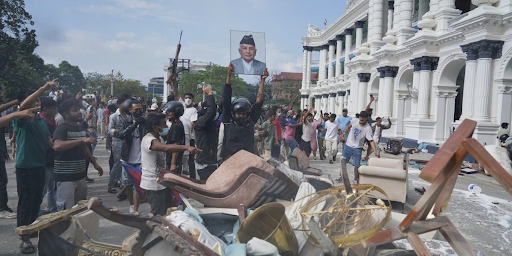
Nepal is in the spotlight due to large-scale protests triggered by government corruption and social media restrictions. The unrest escalated into violence, causing at least nineteen deaths, hundreds of injuries, and the resignation of Prime Minister K.P. Sharma Oli. Significant property damage, including attacks on the parliament, Supreme Court, government offices, and the President’s residence, has highlighted the severe breakdown of law and order in the country.
Chaos in Nepal:
Reasons for Protests:
1. Social Media Ban: The Government blocked 26 platforms, including Facebook, Instagram, WhatsApp, and X, sparking youth unrest.
2. Corruption and Nepotism: Public outrage over political elites and lack of accountability fueled anger.
3. Economic Inequality: Youth unemployment, at around 20% increased frustration among young people.
4. Violent Government Response: At least 19 protesters killed on 8th September 2025, escalating tensions.
Key Events:
1. Prime Minister Resigns: K.P. Sharma Oli stepped down amid mounting pressure.
2. Parliament Torched: Protesters set fire to the building in Kathmandu, demanding systemic change.
3. Flight Disruptions: International flights diverted to Lucknow and Delhi.

Why Nepal’s Stability is Important for India
| Reason |
Explanation / Example |
| Strategic Location |
Nepal shares a 1,758 km open border with India. Political stability ensures that external influences, particularly from China, do not affect India’s security or strategic interests. |
| Trade and Connectivity |
Political unrest or blockades, like the 2015 Nepal blockade, can disrupt trade and supply routes to India’s northeastern states, affecting economic and social stability. |
| Hydropower Cooperation |
Stability is crucial for bilateral projects such as the Pancheshwar Multipurpose Project. Unrest can delay construction, energy generation, and mutual benefits. |
| Cultural and People-to-People Ties |
Shared festivals such as Dashain, free movement across borders, and cultural exchanges strengthen social harmony and bilateral goodwill. |
| Border Security and Terrorism |
Instability can increase smuggling, arms trafficking, and infiltration in the Terai region, impacting India’s internal security. |
| Economic and Investment Interests |
Indian investments in infrastructure, hydropower, and tourism projects depend on a stable political environment in Nepal for smooth operations and returns. |
India’s Role:
Short Run Options:
1. Diplomatic Engagement: India can mediate political disputes through dialogue to stabilize Nepal.
2. Humanitarian and Trade Support: Ensure uninterrupted supply of essential goods and emergency aid.
3. Security Cooperation: Strengthen border monitoring to prevent cross-border infiltration and unrest.
Long Run Options:
1. Infrastructure Investment: Develop roads, railways, and energy projects to integrate markets and boost connectivity.
2. Economic Partnership: Promote joint ventures and foreign investment in Nepal’s hydropower, tourism, and industrial sectors.
3. Cultural and Educational Ties: Expand scholarships, cultural exchanges, and people-to-people programs to build long-term goodwill.
Conclusion
Maintaining Nepal’s stability ensures smooth trade, secure borders, and regional peace. By combining short-term diplomatic and humanitarian measures with long-term economic and cultural engagement, India can foster a resilient and cooperative relationship with Nepal.
Prelims Questions
Q. With reference to India–Nepal relations, consider the following statements:
1. Nepal shares an open border of more than 1,700 km with India.
2. Political instability in Nepal has previously disrupted trade to India’s northeastern states.
3. The Pancheshwar Multipurpose Project is a hydropower project jointly developed by India and Nepal.
Which of the above statements are correct?
(a) 1 and 2 only
(b) 2 and 3 only
(c) 1 and 3 only
(d) 1, 2 and 3
Answer: D
Mains Questions
Q. Nepal’s recent political instability has highlighted challenges to India’s strategic, economic, and cultural interests. Discuss why Nepal’s stability is vital for India and suggest short-term and long-term measures that India can adopt to strengthen bilateral ties.
(250 words, 15 marks)





No Comments