

GLP-1 Drugs: A Breakthrough in Diabetes and Obesity Management with Emerging Regulatory Challenges

GLP-1 Drugs: A Breakthrough in Diabetes and Obesity Management with Emerging Regulatory Challenges

This article covers “Daily Current Affairs” and From  GLP-1 Drugs: A Breakthrough in Diabetes and Obesity Management with Emerging Regulatory Challenges

SYLLABUS MAPPING  

GS – 3- Science & Technology- GLP-1 Drugs: A Breakthrough in Diabetes and Obesity Management with Emerging Regulatory Challenges

FOR PRELIMS 

What are GLP-1 drugs?

FOR MAINS

What are the side effects of GLP-1 drugs? Why should they be used carefully?

Why in the News?
The use of GLP-1 receptor agonist drugs, particularly Semaglutide, has significantly increased in recent years, driven by their proven effectiveness in managing both diabetes and weight loss. Originally developed for treating Type 2 Diabetes, these drugs are now widely used for obesity management due to their appetite-suppressing and blood sugar–regulating effects. However, this growing demand has also led to rising misuse, especially through unregulated online pharmacies and wellness clinics that often dispense these medications without proper medical supervision or prescriptions. In response to these concerns, the Drug Controller General of India intensified its regulatory crackdown in March 2026, aiming to curb illegal sales, ensure patient safety, and enforce stricter compliance with pharmaceutical guidelines.

Understanding the Diabetes–Obesity Link

There exists a strong and well-established relationship between obesity and Type 2 diabetes. Obesity, particularly central or abdominal obesity, increases insulin resistance, thereby making it difficult for the body to regulate blood sugar levels. In India, obesity is defined at a lower Body Mass Index (BMI ≥ 25 kg/m²) compared to global standards due to higher metabolic risks among Asian populations.
Type 2 diabetes is largely preventable and is associated with lifestyle factors such as sedentary behavior, unhealthy diet, excess sugar consumption, and genetic predisposition. At the same time, obesity is also a chronic and preventable condition that contributes significantly to non-communicable diseases (NCDs), including cardiovascular diseases and certain cancers.

What are GLP-1 Drugs?

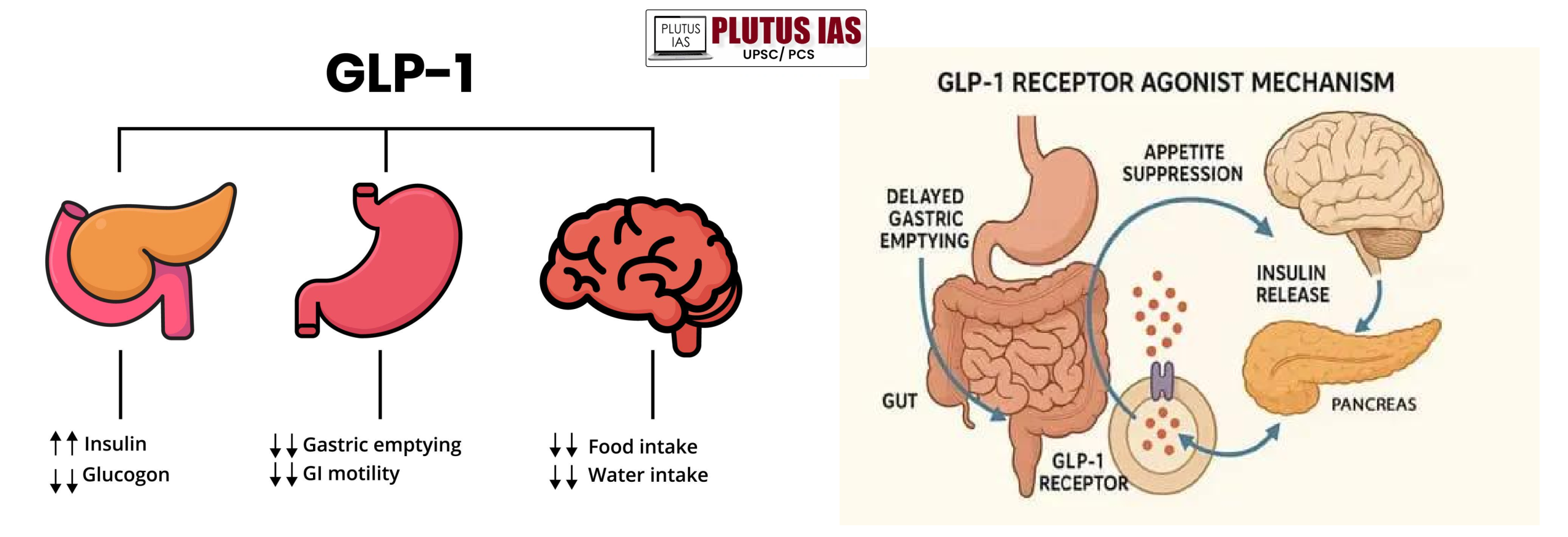
GLP-1 (Glucagon-Like Peptide-1) receptor agonists are a class of medications designed to mimic the action of the natural GLP-1 hormone in the body. This hormone is released in response to food intake and plays a crucial role in maintaining glucose homeostasis.

These drugs work through multiple mechanisms:
1. They stimulate insulin secretion from the pancreas in a glucose-dependent manner.
2. They suppress the release of glucagon, thereby preventing excess glucose production by the liver.
3. They slow down gastric emptying, leading to prolonged digestion.
4. They increase satiety, thereby reducing appetite and promoting weight loss.
Due to these combined effects, GLP-1 drugs are effective not only in controlling blood sugar levels but also in managing obesity, making them a dual-benefit therapeutic option.

Types of GLP-1 Drugs Available

Several GLP-1 receptor agonists are currently available in the market, including:
1. Semaglutide (available in both injectable and oral forms)
2. Liraglutide
3. Tirzepatide (dual GIP and GLP-1 agonist)
4. Dulaglutide
5. Exenatide (including extended-release formulations)

Therapeutic Benefits

1. Effective Glycaemic Control: They help maintain stable blood sugar levels without causing significant hypoglycaemia.
2. Weight Loss: By suppressing appetite and delaying gastric emptying, these drugs promote sustained weight loss.
3. Cardiovascular Benefits: Some GLP-1 drugs have shown protective effects against cardiovascular diseases.
4. Improved Patient Compliance: Weekly dosing options improve adherence compared to daily medications.

Risks and Side Effects

Category Side Effects / Risks
Mild Side Effects Nausea, Vomiting, Diarrhoea, Dizziness
Severe Complications Pancreatitis, Kidney injury, Gastrointestinal obstruction, Risk of medullary thyroid cancer
Additional Concerns Drug interactions with existing medical conditions; unsafe for certain patients without medical supervision

Emerging Concerns in India

1. Off-label Use: Many individuals are using these drugs purely for cosmetic weight loss rather than medical necessity.
2. Unregulated Availability: These drugs are being sold through online pharmacies, wellness clinics, and even retail outlets without proper prescriptions.
3. Misleading Advertisements: Aggressive marketing campaigns are promoting these drugs as “miracle weight-loss solutions.”
4. Health Inequality: These drugs are expensive, making them accessible only to affluent sections of society.
5. Potential Misuse: Self-medication can lead to serious health complications.

Global Perspective

Globally, GLP-1 drugs have gained significant traction since their first approval by the U.S. Food and Drug Administration (FDA) in 2005. Countries across the world are witnessing a surge in demand, particularly for drugs like semaglutide, which are widely used for weight loss. However, the global experience also highlights similar challenges, including overuse, ethical concerns in marketing, and the need for robust regulatory mechanisms.

Way Forward

1. Strengthening Regulation: Strict monitoring of supply chains and online platforms.
2. Awareness Campaigns: Educating the public about the risks of unsupervised drug use.
3. Promoting Lifestyle Changes: Encouraging diet modification and physical activity as primary interventions.
4. Ethical Marketing Practices: Ensuring pharmaceutical companies adhere to responsible advertising norms.
5. Integration with Public Health Programs: Linking drug therapy with national NCD control programs.
6. Affordable Access: Exploring ways to make these drugs accessible to a wider population.

Conclusion

GLP-1 receptor agonists represent a significant advancement in the treatment of Type 2 diabetes and obesity. Their ability to address both glycaemic control and weight management makes them a powerful therapeutic tool in combating the growing burden of non-communicable diseases. However, their rising popularity has also brought challenges related to misuse, side effects, and regulatory gaps. Therefore, a balanced approach that combines medical supervision, strict regulation, public awareness, and lifestyle interventions is essential. Only then can the full potential of GLP-1 drugs be harnessed while safeguarding public health.

Prelims question:

Q. With reference to GLP-1 receptor agonists, consider the following statements:

1. They stimulate insulin secretion and suppress glucagon release.
2. They increase gastric emptying to improve digestion.
3. They are used in the treatment of both Type 2 diabetes and obesity.
Which of the statements given above is/are correct?
(a) 1 and 3 only
(b) 2 and 3 only
(c) 1 only
(d) 1, 2 and 3

Answer: A

Mains Question:

Q. GLP-1 receptor agonists are emerging as a significant tool in the management of diabetes and obesity. However, their increasing use raises concerns. Discuss.

                                                                                                                                                                                                                                                                                                                                                                                                                                                   (250 words)

No Comments

Post A Comment
