


14 Oct India Hosts UN Troop Contributing Countries’ Chiefs’ Conclave in New Delhi
This article covers “Daily Current Affairs” and the Topic India Hosts UN Troop Contributing Countries’ Chiefs’ Conclave in New Delhi
SYLLABUS MAPPING:
GS-2 – International Relations- India Hosts UN Troop Contributing Countries’ Chiefs’ Conclave in New Delhi
FOR PRELIMS
What is UN peacekeeping and why is it important for maintaining global peace?
FOR MAINS
What lessons can be learned from India’s experience in past UN peacekeeping missions?
Why in the News?
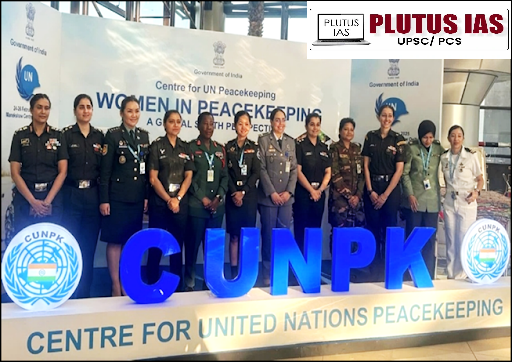
India as Host Nation: India is hosting the United Nations Troop Contributing Countries’ Chiefs’ Conclave in New Delhi, reaffirming its leading role in global UN peacekeeping operations.
What is UN Peacekeeping?
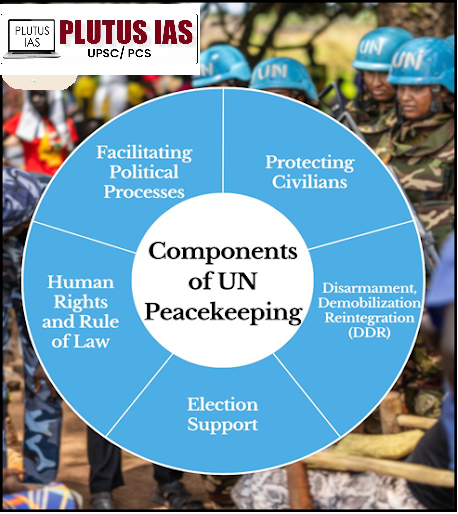
UN peacekeeping is a global initiative established by the United Nations to maintain peace and security in conflict-affected areas. Peacekeepers, often called “Blue Helmets,” consist of military, police, and civilian personnel who help to monitor ceasefires, protect civilians, disarm combatants, assist in elections, and rebuild institutions. The operations are guided by the Security Council and are designed to support nations transitioning from conflict to peace.
Success Stories of UN Peacekeeping
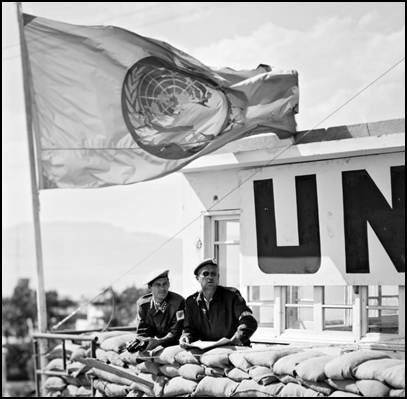
1. Namibia (UNTAG, 1989–1990): Facilitated the country’s peaceful transition to independence and organized free elections.
2. Mozambique (ONUMOZ, 1992–1994): Oversaw the end of civil war, disarmament, and peaceful elections.
3. Sierra Leone (UNAMSIL, 1999–2005): Disarmed over 75,000 fighters and restored democratic governance.
4. Liberia (UNMIL, 2003–2018): Ensured national stability, conducted elections, and supported post-war reconstruction.
5. Côte d’Ivoire (UNOCI, 2004–2017): Facilitated reconciliation, elections, and security sector reform after years of civil strife.
India’s Role in UN Peacekeeping: Five Major Operations
1. Congo (ONUC, 1960–1964): One of India’s earliest and most significant missions, maintaining peace amid political turmoil.
2. Somalia (UNOSOM, 1993–1994): Focused on humanitarian relief and maintaining local security amidst violent unrest.
3. Liberia (UNMIL, 2007–2018): Deployed the first all-women police unit, ensuring safety and empowering local communities.
4. South Sudan (UNMISS, since 2011): Provided medical, engineering, and infantry units for civilian protection and infrastructure recovery.
5. Democratic Republic of Congo (MONUSCO, since 1999): Indian troops have played a critical role in stabilizing the region and protecting vulnerable populations.
India’s Participation in United Nations Peacekeeping Missions
| Mission Name | Location | Year | India’s Contribution |
|---|---|---|---|
| UN Assistance Mission in the Central African Republic (MINUSCA) | Central African Republic | 2014–Present | Formed Police Units (FPUs) and military observers |
| UN Mission in South Sudan (UNMISS) | South Sudan | 2012–Present | Infantry battalion, medical personnel, engineering units |
| UN Organization Stabilization Mission in the Democratic Republic of the Congo (MONUSCO) | Democratic Republic of the Congo | 2010–Present | Infantry battalions, medical units, support staff |
| UN Mission in the Golan Heights (UNDOF) | Golan Heights | 2006–Present | Logistics Battalion (188 personnel) for logistics security |
| UN Mission in Sudan (UNMIS/UNMISS) | Sudan / South Sudan | 2005–Present | Battalion groups, engineer company, signal company, hospitals, MILOBs, and staff officers |
| UN Organization Mission in the Democratic Republic of the Congo (MONUC/MONUSCO) | Democratic Republic of the Congo | 2005–Present | Infantry brigade group (three battalions including RDB), hospital, MILOBs, SOs, and two FPUs |
| UN Interim Force in Lebanon (UNIFIL) | Lebanon | 1998–Present | Infantry battalion group (762 personnel and 18 staff officers) |
Suggestions by Committees and Commissions
1. Define Realistic and Focused Mandates: Align missions with clear, achievable goals.
2. Ensure Adequate Funding and Logistics: Reliable and timely resource allocation is essential.
3. Strengthen Accountability Mechanisms: Enforce professional discipline and address misconduct decisively.
4. Promote Local Ownership: Integrate community actors to ensure sustainable peacebuilding.
5. Enhance Training and Technological Support: Modernize peacekeeping forces for emerging challenges.
6. Improve Coordination with Regional Organizations: Strengthen partnerships with African Union, EU, and regional blocs for effective deployment.
Conclusion
UN peacekeeping remains an indispensable instrument for maintaining global peace and stability. Despite facing operational, financial, and ethical challenges, it continues to save lives and foster reconciliation. Integrating reforms that improve accountability, responsiveness, and cooperation can fortify its legitimacy. India’s steadfast contribution and leadership reflect its longstanding commitment to global peace. Strengthening collective efforts will ensure that UN peacekeeping continues to be a beacon of hope in conflict-torn regions.
Prelims question:
Q. Which of the following statements about India’s participation in UN Peacekeeping is/are correct?
1. India was among the first countries to contribute troops to UN peacekeeping operations.
2. India deployed the world’s first all-women police unit in Liberia under UN peacekeeping.
3. India currently contributes no personnel to UN peacekeeping missions.
Select the correct answer using the code given below:
(a) 1 and 2 only
(b) 2 and 3 only
(c) 1 and 3 only
(d) 1, 2, and 3
Answer: A
Mains Question:
Q. Discuss India’s contribution to United Nations peacekeeping operations and highlight the challenges and reforms needed to strengthen global peacekeeping efforts.
(250 words)

- RBI’s Shrinking Real-Rate Cushion Amid Rising Inflation and Strong Demand - September 21, 2026
- India’s NGOs at a New Funding Crossroads - September 21, 2026
- Deep-Sea Discovery, Environmental Responsibility - September 19, 2026

No Comments