03 Jul India’s Biodiversity in Bloom: 2024 Sees 683 New Faunal and 433 Floral Discoveries
Posted at 03 Jul 2025
in
Current Affairs
by Nishant2356
This article covers “Daily Current Affairs” and the Topic of India’s Biodiversity in Bloom: 2024 Sees 683 New Faunal and 433 Floral Discoveries
SYLLABUS MAPPING:
GS-3-Environment– India’s Biodiversity in Bloom: 2024 Sees 683 New Faunal and 433 Floral Discoveries
FOR PRELIMS
What role can local and tribal communities play in protecting flora and fauna?
FOR MAINS
What are the main reasons for the loss of biodiversity in India?
Why in the News?
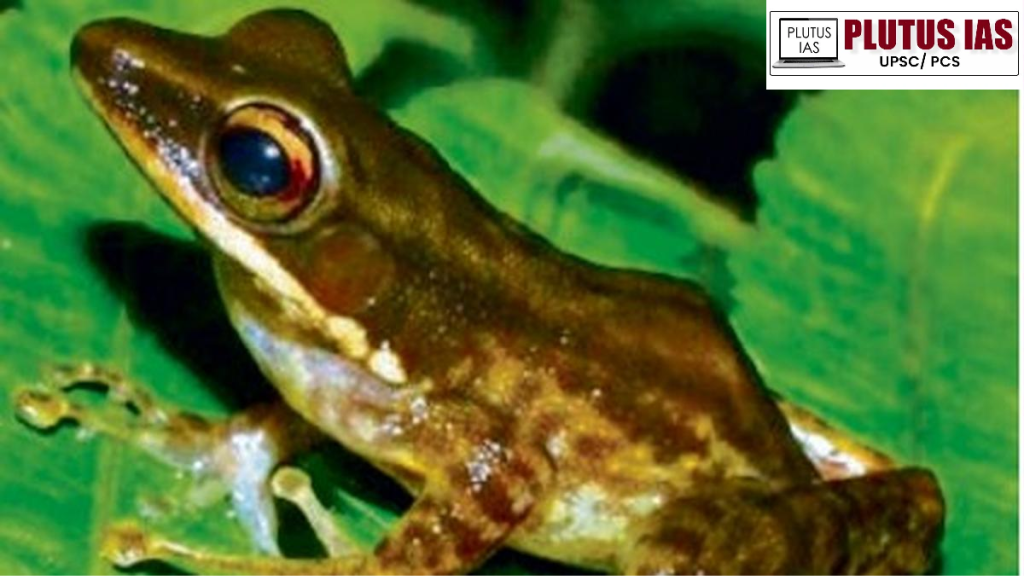
In 2024, India recorded the discovery of 683 new faunal species and 433 new floral taxa, underscoring the country’s extraordinary and expanding biodiversity. These findings—comprising both newly discovered species and species documented in India for the first time—were officially released by the Union Minister for Environment, Forest and Climate Change, Bhupender Yadav, at an event in Kolkata.
Background
India is internationally recognised as one of the 17 mega-biodiverse countries, owing to its remarkable range of ecosystems. These include the Himalayas, Indo-Gangetic plains, Western Ghats, North-Eastern hills, and the island ecosystems of the Andaman & Nicobar Islands and Lakshadweep. This ecological diversity supports an extraordinary variety of plant and animal life.
The discovery and documentation of new species play a crucial role in:
1. Enhancing our understanding of biodiversity and ecosystem functioning
2. Facilitating conservation efforts and long-term ecological monitoring
3. Detecting and addressing emerging environmental imbalances
Analysing the impacts of climate change on species distribution and survival
1. India’s efforts in cataloguing its rich biodiversity are spearheaded by two premier institutions:
2. Zoological Survey of India (ZSI): Responsible for documenting and studying faunal diversity
3. Botanical Survey of India (BSI): Leads research and documentation of floral diversity
Key Highlights
| Faunal Group |
Discoveries |
Examples / Notes |
| Reptiles |
2 new genera & 37 species |
Dravidoseps gouensis |
| Amphibians |
5 new species |
Hylarana chozhai |
| Unique Find |
1 new snake species |
Anguiculus dicaprioi – named after Leonardo DiCaprio to promote conservation awareness |
Top Contributing States (Fauna)
| State/UT |
Total Species |
New Discoveries |
New Records |
| Kerala |
101 |
80 |
21 |
| Karnataka |
82 |
68 |
14 |
| Tamil Nadu |
63 |
50 |
13 |
| Arunachal Pradesh |
72 |
42 |
30 |
| Andaman & Nicobar Islands |
43 |
14 |
29 |
Major Plant Groups Documented
| Plant Group |
Number of Discoveries |
| Fungi |
156 |
| Angiosperms |
154 |
| Lichens |
63 |
| Algae |
32 |
| Bryophytes |
15 |
| Pteridophytes |
4 |
| Microbes |
9 |
Top Contributing States (Flora)
| State |
Number of Discoveries |
| Kerala |
58 |
| Maharashtra |
45 |
| Uttarakhand |
40 |
Key Challenges
1. Taxonomic Gaps: Shortage of trained taxonomists and limited digitisation of historical records hinder species identification and documentation.
2. Habitat Loss: Urbanisation, mining, and agriculture are degrading ecosystems where many new species are found, threatening their survival.
3. Climate Change: Shifts in temperature and rainfall are altering habitats and may lead to extinctions before species are even discovered.
4. Limited Funding: Biodiversity research receives low budgetary support, with minimal private or CSR investment.
5. Invasive Species: Non-native species are disrupting native ecosystems, especially in fragile island and forested regions.
Way Forward
1. Boost Taxonomic Capacity: Promote taxonomy through education, scholarships, and integration into academic curricula.
2. Adopt Technology: Use DNA barcoding, AI tools, and GIS for faster species identification and mapping.
3. Engage Communities: Involve tribal and forest-dwelling communities in surveys through citizen science training.
4. Strengthen Protected Areas: Expand conservation zones, especially in biodiversity hotspots like the Western Ghats and Northeast India.
5. Raise Awareness: Use media, exhibitions, and species-naming campaigns to promote biodiversity conservation.
6. Global Partnerships: Collaborate internationally under platforms like the CBD and Global Taxonomy Initiative for research and knowledge-sharing.
Conclusion
The addition of 683 new faunal species and 433 new floral taxa in 2024 is a powerful reminder of India’s immense and still-unfolding biodiversity. These discoveries represent not just scientific milestones but also a renewed call for sustainable conservation policies, investment in taxonomic research, and protection of natural habitats. As the world faces unprecedented biodiversity loss, India’s efforts serve as both a beacon of hope and a challenge to preserve not only what is known, but also the vast, unexplored biological wealth that lies hidden across its diverse landscapes.
Prelims Questions
Q. Which of the following statements about the biodiversity discoveries in India in 2024 is/are correct?
1. The Zoological Survey of India (ZSI) is responsible for documenting India’s floral diversity.
2. A total of 683 new faunal species and 433 floral taxa were added to India’s biodiversity records in 2024.
3. The newly discovered snake species Anguiculus dicaprioi was named to promote climate activism.
Select the correct answer using the code below:
(a) 1 and 2 only
(b) 2 and 3 only
(c) 1 and 3 only
(d) 2 only
Answer: B
Mains Questions
Q. India’s addition of 683 faunal species and 433 floral taxa in 2024 highlights its rich and dynamic biodiversity. Discuss the significance of these findings and outline the key challenges and strategies for strengthening biodiversity conservation in India.
(250 words, 15 marks)
Latest posts by Nishant2356
(see all)





No Comments