


06 Sep UPSC Alert: Vice President at SSUHS Convocation Highlights Health Sector Reforms
✎ SSUHS, established in 2010, is Assam’s premier health sciences university promoting regional-language medical education and research, while Assam’s medical college count has doubled since 2021 to 15, supported by AIIMS Guwahati…
Subject Relevance — Where This Topic Fits
- GS Paper II — Governance, Social Justice and Welfare | GS Paper III — Issues Relating to Development and Management of Social Sector/Services relating to Health
- Prelims: Ayushman Bharat, AIIMS Guwahati, SSUHS, Assam Medical Colleges, Proton Beam Therapy, Narcotics Control Bureau, National Health Mission
- Essay: The Role of Compassion in Modern Healthcare, Youth and Nation-Building: Responsibilities in a Digital Age
Quick Revision: SSUHS, established in 2010, is Assam’s premier health sciences university promoting regional-language medical education and research, while Assam’s medical college count has doubled since 2021 to 15, supported by AIIMS Guwahati and a three-tier cancer care network.
Why is this in the news?
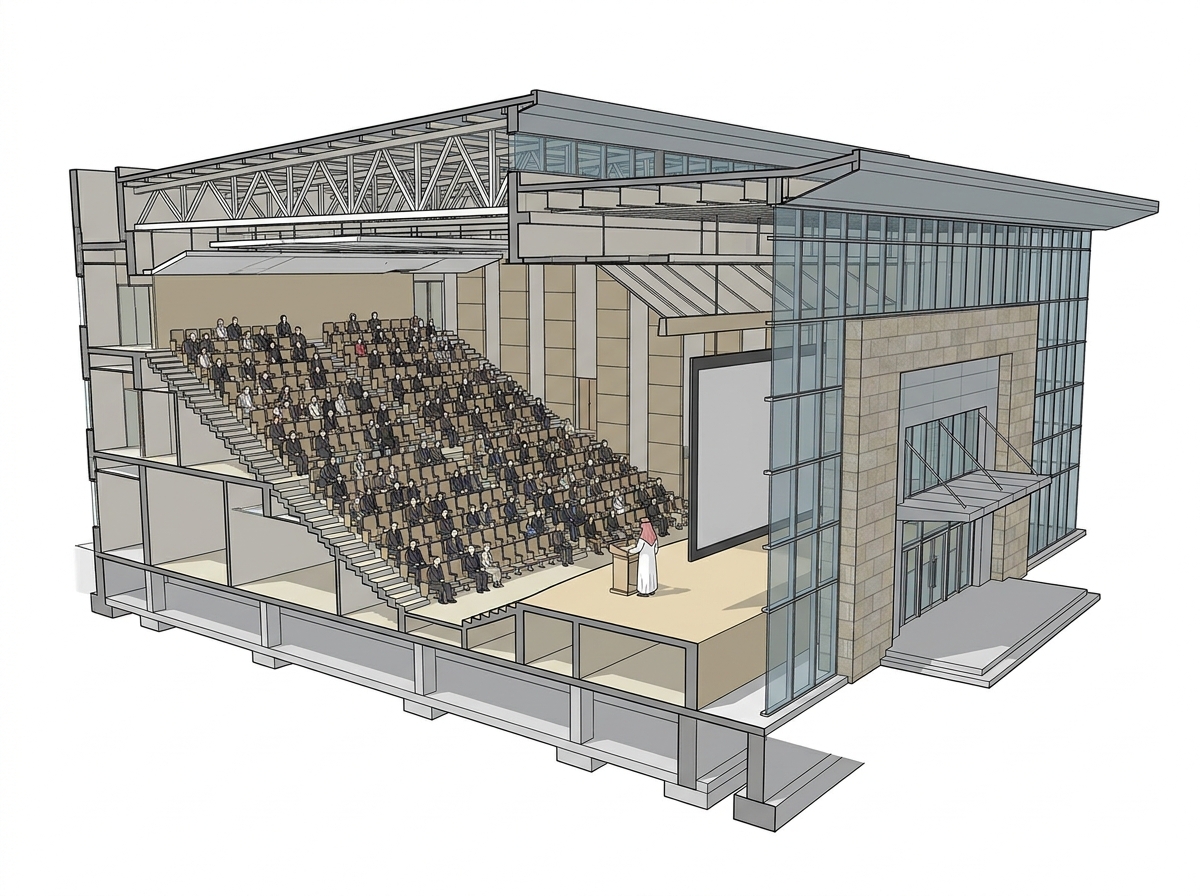
The Vice-President of India, Shri C. P. Radhakrishnan, addressed the convocation ceremony of the Srimanta Sankaradeva University of Health Sciences (SSUHS) in Guwahati on 6 September 2026, highlighting the expansion of medical education infrastructure in Assam, the role of Ayushman Bharat in enhancing healthcare accessibility, and the importance of ethical medical practice, compassion, and substance abuse prevention among the youth. The event also underscored Assam’s progress in establishing advanced healthcare facilities, including AIIMS Guwahati and a proton beam therapy centre within a three-tier cancer care network.
Background
- The Srimanta Sankaradeva University of Health Sciences (SSUHS), established in 2010, is a state university in Assam dedicated to health sciences education, research, and public health.
- Assam has witnessed a significant expansion in medical education infrastructure, with the number of medical colleges increasing from 7 in 2021 to 15 in 2026, and 9 more under construction.
- The establishment of AIIMS Guwahati in 2023 marked a milestone in tertiary healthcare in the Northeast, complementing the region’s evolving medical ecosystem.
- Ayushman Bharat, launched in 2018, is India’s flagship health assurance scheme providing financial protection for secondary and tertiary healthcare to over 44 crore beneficiaries.
- The Northeast region, historically underserved in healthcare infrastructure, has seen targeted interventions including the development of a three-tier cancer care network and the introduction of advanced therapies such as proton beam therapy.
- Substance abuse, particularly among youth, remains a critical public health challenge in India, necessitating multi-stakeholder interventions including awareness campaigns and policy enforcement.
What is the Srimanta Sankaradeva University of Health Sciences (SSUHS)?
- SSUHS is a state university in Assam, named after the 15th-century Vaishnavite saint and social reformer Srimanta Sankaradeva, dedicated to health sciences education and research.
- It offers undergraduate, postgraduate, and doctoral programmes in medical and health sciences, including MBBS, MD, MS, and nursing courses.
- The university promotes medical education in regional languages, exemplified by initiatives such as the publication of an Anglo-Assamese medical science dictionary and Assamese-language medical textbooks.
- SSUHS plays a pivotal role in strengthening Assam’s healthcare workforce by producing skilled medical professionals aligned with regional health needs.
- It fosters research in public health, tropical diseases, and traditional medicine systems, contributing to evidence-based healthcare delivery in the Northeast.
- The university collaborates with national and international institutions to enhance academic standards and facilitate knowledge exchange in health sciences.
- SSUHS is instrumental in addressing the healthcare human resource gap in Assam and the broader Northeast region through targeted educational interventions.
- The convocation ceremony serves as a platform to recognise academic excellence, ethical practice, and societal contributions of graduating medical professionals.
Key Features
| Feature | Significance |
|---|---|
| Establishment of AIIMS Guwahati | A tertiary-care apex health institution in Northeast India, enhancing specialised medical services, research capacity, and tertiary healthcare accessibility in the region. |
| Assam’s Tri-level Cancer Care Network | Includes state’s first Proton Beam Therapy Centre, improving cancer treatment infrastructure and reducing patient outflows to other states. |
| Expansion of Medical Colleges in Assam (2021–2026) | Increase from 7 to 15 medical colleges, with 9 under construction, aimed at addressing doctor-patient ratio and reducing regional disparities in healthcare workforce. |
| Dr. John Berry White Award (2023–2025) | Recognition of excellence in medical education and research, fostering academic merit and institutional pride at SSUHS. |
| Assamese Medical Terminology and Textbooks | Localisation of medical education through vernacular language resources, improving accessibility and comprehension for Assamese-speaking students. |
Why it Matters
Healthcare Infrastructure
- Significant expansion of tertiary healthcare facilities in Northeast India, reducing dependency on external states for advanced medical treatment.
- Integration of modern oncology infrastructure (Proton Beam Therapy) within state’s cancer care network, aligning with global standards.
- Strengthening of medical education ecosystem through increased institutional capacity and vernacular resources, supporting regional talent retention.
Governance and Policy
- Demonstrates the role of state-level initiatives in complementing national health schemes (e.g., Ayushman Bharat) to achieve universal health coverage.
- Highlights the importance of federal cooperation in health sector development, with central institutions (AIIMS) and state-led expansions working in tandem.
- Showcases the use of data-driven governance in tracking healthcare progress, such as quantifying medical college growth and patient savings under Ayushman Bharat.
Human Resource Development
- Emphasises the ethical and compassionate dimensions of medical practice, aligning with Hippocratic traditions and contemporary healthcare ethics.
- Promotes localisation of medical knowledge through Assamese-language resources, enhancing inclusivity and reducing language barriers in healthcare delivery.
- Encourages youth engagement in health advocacy, including substance abuse prevention, as part of broader public health campaigns.
Challenges
1. Regional Disparities in Healthcare
- Despite progress, Northeast India continues to face challenges in equitable healthcare access compared to national averages, requiring sustained investment.
- High out-migration of medical professionals from the region necessitates targeted retention policies and incentives.
- Limited tertiary-care facilities in remote districts of Assam and neighboring states persist, despite infrastructure expansions.
UPSC Link: GS2: Issues relating to development and management of Social Sector/Services relating to Health
2. Substance Abuse Among Youth
- Rising drug abuse in Northeast India poses a threat to public health and social stability, requiring multi-sectoral interventions.
- Preventive education and rehabilitation services remain underdeveloped, particularly in rural and tribal areas.
- Stigma associated with substance use disorders hinders early intervention and policy effectiveness.
UPSC Link: GS2: Issues relating to Social Sector/Services relating to Health
3. Localisation of Medical Education
- Developing high-quality vernacular medical resources (e.g., terminology, textbooks) is resource-intensive and requires long-term academic commitment.
- Ensuring accuracy and scientific rigour in translated medical content is critical to avoid misinformation in clinical practice.
- Limited faculty expertise in vernacular medical pedagogy may constrain the effectiveness of localisation efforts.
UPSC Link: GS2: Issues relating to Education
Challenges — UPSC Perspective
| Issue | Concern |
|---|---|
| Doctor-Patient Ratio in Northeast | Despite expansions, the ratio remains below national average, exacerbating healthcare access gaps. |
| Outflow of Patients to Other States | High dependence on external states for advanced treatment indicates gaps in local tertiary-care capacity. |
| Language Barriers in Medical Education | Limited Assamese-language medical resources hinder inclusivity and comprehension for local students. |
| Substance Abuse Prevalence | Rising drug use among youth threatens public health and undermines human capital development. |
| Infrastructure Gaps in Rural Areas | Peripheral districts lack adequate primary and secondary healthcare facilities despite urban expansions. |
Government Initiatives — Must-Memorise for Prelims
- Ayushman Bharat – Pradhan Mantri Jan Arogya Yojana (PM-JAY)
Way Forward
- Accelerate the completion of under-construction medical colleges and allied healthcare institutions in Assam to meet projected workforce demands.
- Strengthen regional cancer care networks by expanding Proton Beam Therapy facilities and integrating them with primary and secondary care systems.
- Develop a state-wide digital health records system to improve coordination between tertiary, secondary, and primary healthcare providers.
- Implement targeted retention policies for medical professionals in Northeast India, including financial incentives, housing, and career progression opportunities.
- Scale up vernacular medical education resources, including standardised Assamese medical terminology and textbooks, with academic partnerships.
- Launch community-based substance abuse prevention programmes, focusing on youth engagement, rehabilitation services, and stigma reduction.
- Enhance public-private partnerships to leverage private sector expertise in tertiary-care infrastructure development and service delivery.
UPSC Value Addition
Keywords for Mains Answer-Writing
Healthcare infrastructure expansion in Northeast India · Ayushman Bharat Pradhan Mantri Jan Arogya Yojana (AB-PMJAY) · Regional medical education and research institutions · AIIMS Guwahati · Cancer care network in Assam · Vice-President’s role in public health advocacy · Substance abuse prevention and ‘Nasha Mukt Bharat Abhiyaan’ · Assam’s medical college expansion (2021-2026) · Regional language promotion in medical education · Public health governance in India
Constitutional & Policy Linkages
- Article 47: Duty of the State to raise the level of nutrition and the standard of living and to improve public health (Directive Principles of State Policy).
Concept Flow
Expansion of tertiary healthcare in Assam → Reduced patient outflows to other states → Improved regional health outcomes. → Increase in medical colleges and allied institutions → Growth in medical workforce → Enhanced doctor-patient ratio. → Localisation of medical education (Assamese resources) → Improved accessibility for local students → Strengthened regional talent pool. → Implementation of Ayushman Bharat → Increased financial protection for vulnerable populations → Reduced out-of-pocket expenditure. → Rise in substance abuse among youth → Public health crisis → Need for preventive education and rehabilitation services. → AIIMS Guwahati establishment → Tertiary-care hub in Northeast → Catalyst for regional healthcare ecosystem development.
Prelims Practice Questions
Q1. Consider the following statements regarding Ayushman Bharat Pradhan Mantri Jan Arogya Yojana (AB-PMJAY):
1. It provides health coverage of up to ₹5,00,000 per family per year for secondary and tertiary care hospitalization.
2. The scheme is implemented through a network of public and private empanelled hospitals.
3. It was launched as part of the National Health Policy 2017.
4. The scheme covers only rural households identified as deprived under the Socio-Economic Caste Census (SECC) 2011.
How many of the above statements are correct?
- Only one
- Only two
- Only three
- All four
Answer: Only three — Statements 1, 2, and 3 are correct. Statement 4 is incorrect as the scheme covers both rural and urban deprived households identified under SECC 2011.
Q2. Assertion (A): The establishment of AIIMS Guwahati in Assam is a significant step towards reducing regional disparities in healthcare access.
Reason (R): AIIMS institutions are tertiary care centres of national importance that provide advanced medical education, research, and specialized healthcare services.
Options:
A. Both A and R are true, and R is the correct explanation of A.
B. Both A and R are true, but R is not the correct explanation of A.
C. A is true, but R is false.
D. A is false, but R is true.
Answer: ? — Both A and R are true, and R correctly explains A as AIIMS institutions are designed to address regional healthcare disparities through specialized services and education.
Q3. Match the following initiatives with their respective objectives:
Column I
1. Nasha Mukt Bharat Abhiyaan
2. Ayushman Bharat PM-JAY
3. AIIMS Guwahati
4. SSUHS Guwahati
Column II
a. Providing tertiary healthcare and medical education
b. Promoting substance abuse prevention among youth
c. Expanding health coverage for vulnerable populations
d. Enhancing regional medical education and research in Assamese language
Options:
A. 1-b, 2-c, 3-a, 4-d
B. 1-c, 2-b, 3-d, 4-a
C. 1-d, 2-a, 3-b, 4-c
D. 1-a, 2-d, 3-c, 4-b
Answer: ? — 1-b (Nasha Mukt Bharat Abhiyaan focuses on substance abuse prevention), 2-c (Ayushman Bharat PM-JAY provides health coverage), 3-a (AIIMS Guwahati provides tertiary healthcare and medical education), 4-d (SSUHS Guwahati promotes regional medical education and research in Assamese language).
Mains Practice Question
✍ The expansion of healthcare infrastructure in the Northeast, exemplified by initiatives like AIIMS Guwahati and the establishment of regional medical education institutions, represents a transformative shift in India’s public health governance. Critically examine the role of such institutions in addressing regional disparities in healthcare access and quality. Also, analyse how these developments align with the objectives of the Ayushman Bharat Pradhan Mantri Jan Arogya Yojana (AB-PMJAY). (15 Marks)
Approach: MODEL-ANSWER SKELETON:
1. **Introduction (2 Marks)**
– Briefly define the Northeast region’s historical healthcare challenges (geographical isolation, limited infrastructure, out-migration for treatment).
– State the objective of the question: to examine the role of new institutions (AIIMS Guwahati, SSUHS) and their alignment with AB-PMJAY.
2. **Role of AIIMS Guwahati and Regional Institutions (5 Marks)**
– **AIIMS Guwahati**: Tertiary care hub, medical education, research, and specialized services (e.g., proton beam therapy for cancer).
– **SSUHS Guwahati**: Focus on regional language medical education (Anglo-Assamese medical dictionary, Assamese textbooks), addressing linguistic barriers in healthcare access.
– **Assam’s Medical College Expansion**: Increase from 7 (2021) to 15 colleges, with 9 under construction, reducing dependency on other states for medical education.
– **Cancer Care Network**: Tri-level network including Assam’s first proton beam therapy centre, improving oncology services.
3. **Alignment with AB-PMJAY (5 Marks)**
– **Coverage Expansion**: AB-PMJAY provides ₹5 lakh coverage per family; AIIMS Guwahati and regional hospitals act as empanelled providers, enhancing service delivery.
– **Reduction in Out-of-Pocket Expenditure**: AB-PMJAY has saved ₹2 lakh crore for beneficiaries; regional institutions reduce travel costs and improve local access.
– **Quality and Affordability**: AB-PMJAY’s empanelment criteria ensure quality standards in regional hospitals, aligning with the scheme’s objectives.
– **Data**: 44 crore Ayushman cards issued (as of 2026), demonstrating scale and impact.
4. **Challenges and Critique (3 Marks)**
– **Implementation Gaps**: Ensuring equitable distribution of resources across Northeast districts.
– **Sustainability**: Long-term funding for regional institutions and AB-PMJAY.
– **Human Resource Constraints**: Shortage of specialists in rural areas despite infrastructure expansion.
– **Language Barriers**: While SSUHS promotes Assamese, broader adoption in clinical practice remains a challenge.
5. **Conclusion (2 Marks)**
– Summarize the transformative impact of these initiatives in reducing regional disparities.
– Emphasize the need for continued investment, monitoring, and integration with national health schemes like AB-PMJAY.
Source: PIB (Press Information Bureau)
Assam PCS (APSC) — State PCS Practice
Prelims: Which of the following institutions in Assam recently hosted the convocation ceremony where the Vice President of India, Shri C.P. Radhakrishnan, was the chief guest?
- A. Gauhati University
- B. Assam Agricultural University
- C. Srimanta Sankaradeva University of Health Sciences (SSUHS)
- D. Cotton University
Answer: C. Srimanta Sankaradeva University of Health Sciences (SSUHS) — The Vice President of India, Shri C.P. Radhakrishnan, attended the convocation ceremony of Srimanta Sankaradeva University of Health Sciences (SSUHS) in Guwahati.
Mains: Discuss the significance of the Vice President of India’s participation in the convocation ceremony of Srimanta Sankaradeva University of Health Sciences (SSUHS) in Guwahati. How does this event reflect the state’s priorities in the healthcare sector?
Generated by AanyaAi for educational purpose.
Related guides on our sites
- How to prepare for GS paper 1 for UPSC CSE mains exam
- Best UPSC coaching for IFOS exam
- Best mentorship programme for upsc
- UPSC+BA degree


No Comments