


13 Aug जैव-ई3 नीति: जीवाश्म ईंधन पर निर्भरता घटाने के पर्यावरणीय परिणाम
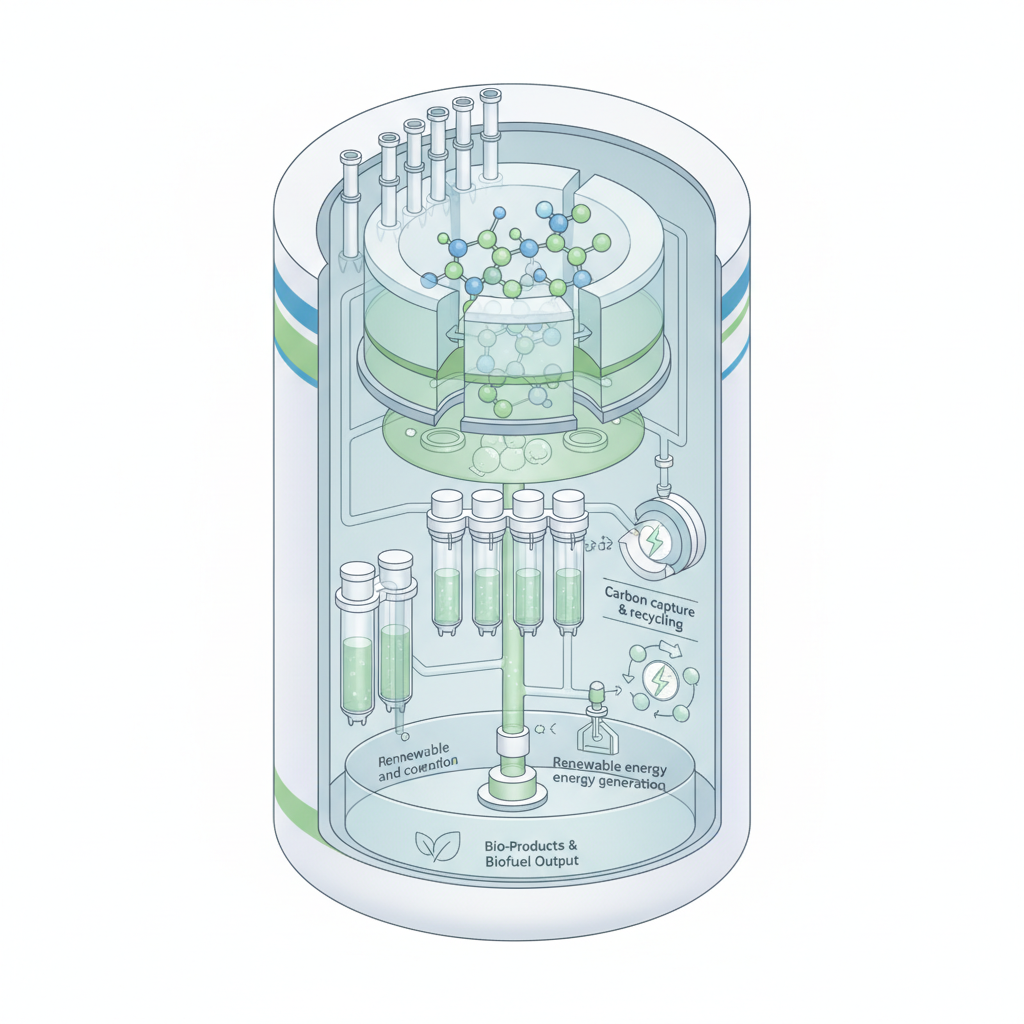
✎ The Bio-E3 Policy integrates circular economy principles with bio-manufacturing to reduce fossil fuel dependence, enhance resource efficiency, and align India’s industrial growth with its net-zero commitments.
Subject Relevance — Where This Topic Fits
- GS Paper III — Environment and Ecology (Circular Economy, Bio-Manufacturing, Carbon Neutrality) | GS Paper III — Science and Technology (Biotechnology, Bioeconomy, Indigenous Innovation) | GS Paper III — Economy (Import Substitution, Supply Chain Resilience, Green Growth)
- Prelims: Bio-E3 Policy, Bio-manufacturing, Circular Economy, Biomass Feedstock, Net-Zero Emissions, Lignocellulosic Waste, Bio-refinery, Carbon Capture Utilisation (CCU), Biomass Pre-treatment, Bio-catalysts
- Essay: The Role of Biotechnology in India’s Transition to a Circular Economy, Sustainable Industrialisation: Balancing Growth and Environmental Stewardship
Quick Revision: The Bio-E3 Policy integrates circular economy principles with bio-manufacturing to reduce fossil fuel dependence, enhance resource efficiency, and align India’s industrial growth with its net-zero commitments.
Why is this in the news?
The Department of Biotechnology (DBT), under the Ministry of Science and Technology, has operationalised the Bio-E3 (Economy, Environment, and Employment) Policy to accelerate the development and deployment of bio-based alternatives to fossil-derived raw materials. This initiative, highlighted through a PIB release on 13 August 2026, aligns with India’s commitments to carbon neutrality and circular economy principles by fostering indigenous bio-manufacturing solutions, reducing import dependence, and integrating sustainability into industrial processes. The policy’s implementation is supported by digital platforms, inter-ministerial coordination, and targeted funding for pilot and pre-commercial projects.
Background
- India’s bioeconomy, valued at approximately USD 80 billion in 2023, is projected to grow significantly with the adoption of bio-manufacturing technologies, aligning with global trends towards decarbonisation and resource efficiency.
- India’s Nationally Determined Contributions (NDCs) under the Paris Agreement commit to reducing the emissions intensity of GDP by 45% by 2030 and achieving net-zero emissions by 2070, necessitating systemic shifts in industrial processes.
- India’s agricultural sector generates over 600 million tonnes of biomass annually, much of which remains underutilised, presenting an opportunity for bio-refinery integration and value addition.
What is the Bio-E3 Policy?
- The Bio-E3 Policy is a cross-sectoral framework launched by the Department of Biotechnology (DBT) to promote bio-manufacturing as a sustainable alternative to fossil-based industrial processes, thereby reducing carbon emissions and import dependency.
- The policy is structured around three pillars: Economy (economic competitiveness through indigenous innovation), Environment (circularity and emissions reduction), and Employment (skilling and job creation in the bioeconomy sector).
- Core objectives include developing scalable bio-based alternatives for chemicals, fuels, materials, and pharmaceuticals; strengthening biomass supply chains; and advancing indigenous technologies for pre-treatment, bio-catalysis, and integrated bio-refineries.
- The policy mandates inter-ministerial coordination to align initiatives across sectors suchs as agriculture, waste management, energy, and industrial policy, ensuring convergence of efforts.
- A digital portal, ‘Sujeevika’, has been launched to provide real-time data on bio-based imports, enabling identification of substitution opportunities and monitoring progress towards self-reliance in critical sectors.
- The policy prioritises the utilisation of agricultural residues, municipal organic waste, and industrial bio-waste as feedstocks for bio-manufacturing, thereby addressing waste management challenges while creating economic value.
- Technological readiness levels (TRLs) are used to benchmark and scale projects, with a focus on pilot and pre-commercial demonstrations to validate economic and environmental viability.
- Regulatory initiatives under the policy aim to streamline approvals for bio-based products, incentivise research and development, and foster public-private partnerships to accelerate commercialisation.
Key Features
| Feature | Significance |
|---|---|
| Biomanufacturing of bio-based alternatives to fossil-derived raw materials | Reduces import dependency on fossil-based chemicals, fuels, and materials, aligning with the ‘Atmanirbhar Bharat’ initiative. |
| Digital portal ‘Sujeevika’ for import data on bio-based products | Facilitates identification of indigenous bio-based substitutes, enabling data-driven policy and investment decisions. |
| Research and pilot projects on biomass conversion | Promotes utilisation of agricultural residues, municipal organic waste, and industrial bio-waste into high-value fuels, chemicals, and materials. |
| Development of indigenous technologies for bio-refineries | Enhances technological self-reliance, reduces costs, and ensures scalable solutions for sustainable bio-manufacturing. |
| Integration of bio-foundries and bio-AI centres | Creates a networked ecosystem for advanced biomanufacturing, leveraging AI and automation for efficiency and innovation. |
Why it Matters
Economic and Strategic
- Reduces foreign exchange outgo by substituting imported fossil-based chemicals and fuels with domestically produced bio-based alternatives.
- Enhances India’s technological sovereignty in critical sectors such as pharmaceuticals, specialty chemicals, and aviation fuels.
- Creates new economic opportunities in rural and peri-urban areas through biomass valorisation and circular economy models.
- Supports the ‘Make in India’ vision by fostering a bio-economy ecosystem with high-value manufacturing.
Environmental
- Contributes to India’s net-zero commitments by reducing greenhouse gas emissions through substitution of fossil-based inputs.
- Promotes circular economy principles by converting waste biomass into value-added products, reducing landfill pressure and pollution.
- Supports restoration of degraded ecosystems (e.g., Sundarbans) through bio-remediation and conservation initiatives.
- Encourages sustainable biomass sourcing, minimising deforestation and land-use change impacts.
Technological and Innovation
- Accelerates R&D in bio-catalysis, microbial processes, and integrated bio-refinery platforms for scalable solutions.
- Fosters collaboration between academia, industry, and government through multi-stakeholder platforms and digital tools.
- Enhances India’s global competitiveness in biotechnology by developing indigenous solutions for high-value bio-products.
Social and Employment
- Generates employment opportunities in biomass collection, processing, and bio-manufacturing sectors, particularly in rural areas.
- Supports skill development in emerging fields such as bio-refinery operations, bioinformatics, and sustainable agriculture.
Challenges
1. Biomass Supply Chain Sustainability
- Ensuring consistent and scalable supply of diverse biomass feedstocks without competing with food crops or causing ecological degradation.
- Addressing seasonal variability and logistical challenges in biomass collection, storage, and transportation.
- Mitigating environmental impacts of large-scale biomass harvesting, such as soil degradation and biodiversity loss.
UPSC Link: GS3: Conservation, Environmental Pollution
2. Technological Readiness and Scalability
- Overcoming gaps in technology readiness levels (TRL) to transition from pilot-scale to commercial-scale bio-manufacturing.
- Developing cost-competitive bio-based alternatives to fossil-derived products to ensure market viability.
- Standardising processes for bio-refinery operations to ensure reproducibility and quality control.
UPSC Link: GS3: Science & Technology
3. Regulatory and Policy Framework
- Harmonising regulations across ministries to streamline approvals for bio-manufacturing projects and bio-based products.
- Ensuring compliance with environmental standards for bio-waste processing and emissions control.
- Addressing intellectual property and technology transfer challenges in collaborative R&D initiatives.
UPSC Link: GS2: Government Policies
4. Market Adoption and Industry Collaboration
- Encouraging industry adoption of bio-based alternatives through incentives, subsidies, and procurement policies.
- Bridging the gap between R&D outputs and industry demand for bio-based chemicals, fuels, and materials.
- Fostering public-private partnerships to de-risk investments in bio-manufacturing infrastructure.
UPSC Link: GS3: Industrial Policy
5. Public Awareness and Stakeholder Engagement
- Educating stakeholders on the benefits and safety of bio-based products to overcome scepticism and resistance.
- Engaging local communities in biomass supply chains to ensure equitable benefits and minimise conflicts.
- Promoting multi-stakeholder dialogue to align policy, industry, and societal goals.
UPSC Link: GS2: Social Justice
6. Carbon Accounting and Verification
- Developing robust methodologies for measuring and verifying greenhouse gas reductions from bio-manufacturing processes.
- Ensuring transparency in carbon credits and offsets generated through bio-based solutions.
- Aligning with international standards for carbon accounting to facilitate global market access.
UPSC Link: GS3: Climate Change
Challenges — UPSC Perspective
| Issue | Concern |
|---|---|
| Biomass feedstock availability | Inconsistent supply due to seasonal and regional variability; competition with food and fodder. |
| Technology maturity | Low technology readiness levels (TRL) for many bio-refinery processes; high capital costs for scaling. |
| Regulatory bottlenecks | Fragmented approval processes across ministries; lack of standardised guidelines for bio-based products. |
| Market incentives | Limited demand for bio-based alternatives due to price sensitivity and lack of consumer awareness. |
| Infrastructure gaps | Inadequate storage, transportation, and processing facilities for biomass and bio-products. |
| Skill development | Shortage of trained workforce in bio-manufacturing, bioinformatics, and sustainable agriculture. |
Way Forward
- Establish a National Biomass Resource Inventory to map feedstock availability, quality, and logistics across regions.
- Strengthen public-private partnerships through dedicated funds for pilot-to-commercial scale bio-manufacturing projects.
- Develop a unified regulatory framework for bio-based products, including standards for safety, quality, and environmental impact.
- Launch national awareness campaigns to educate industries and consumers on the benefits of bio-based alternatives.
- Invest in R&D for high-value bio-products such as advanced biofuels, specialty chemicals, and smart proteins.
- Enhance digital integration through the ‘Sujeevika’ portal to provide real-time data on biomass supply, demand, and technology readiness.
- Promote international collaborations to access best practices, technologies, and markets for bio-manufacturing.
- Incentivise state governments to integrate bio-economy goals into their climate action plans and industrial policies.
UPSC Value Addition
Keywords for Mains Answer-Writing
Bio-E3 Policy · Bio-manufacturing · Circular Economy · Net-Zero Emissions · Biomass Utilisation · Bio-refinery Platforms · Sustainable Aviation Fuel · Circular Bioeconomy · Carbon Capture Utilisation · Indigenous Clean Technologies · Department of Biotechnology (DBT) · Ministry of Science and Technology · Suzjeevika Digital Portal · Lignocellulosic Waste Conversion · Greenhouse Gas Mitigation
Concept Flow
Fossil fuel dependence → Import dependency → Economic vulnerability → Bio-based alternatives (Biomanufacturing) → Circular economy integration → Reduced GHG emissions → Net-zero alignment → Biomass waste generation → Underutilised resource → Bio-refinery conversion → High-value products → Revenue generation → Employment creation → Policy intervention (Biotech Dept.) → Technology development → Pilot projects → Commercial scaling → Market adoption → Economic impact → Research in bio-catalysis → Microbial processes → Integrated bio-refineries → Indigenous technology → Technological sovereignty → Environmental degradation → Bio-remediation → Ecosystem restoration → Sustainable biomass sourcing → Long-term ecological benefits
Prelims Practice Questions
Q1. Consider the following statements regarding the Bio-E3 Policy of the Government of India:
1. The Bio-E3 Policy aims to reduce import dependence on fossil-based raw materials by promoting bio-based alternatives.
2. The Department of Biotechnology (DBT) has developed a digital portal named ‘Suzjeevika’ to track import data of bio-based products.
3. The policy focuses exclusively on agricultural residues and excludes municipal solid waste from its ambit.
How many of the above statements are correct?
- Only one
- Only two
- Only three
- None
Answer: Only two — Statement 1 is correct as the policy explicitly targets reducing fossil-based import dependence. Statement 2 is correct as the ‘Suzjeevika’ portal is mentioned in the PIB release. Statement 3 is incorrect because the policy includes municipal solid waste and industrial bio-waste as feedstocks.
Q2. Assertion (A): The Bio-E3 Policy integrates sustainability into the bio-manufacturing value chain.
Reason (R): The policy mandates the conversion of lignocellulosic waste into sustainable aviation fuel and high-value chemicals.
- Both A and R are true, and R is the correct explanation of A.
- Both A and R are true, but R is not the correct explanation of A.
- A is true, but R is false.
- A is false, but R is true.
Answer: A is true, but R is false. — Assertion (A) is true as the policy explicitly integrates sustainability into the bio-manufacturing value chain. Reason (R) is also true but is not the sole explanation for (A), as sustainability integration is broader than just waste conversion.
Q3. Match the following initiatives under the Bio-E3 Policy with their respective objectives:
Column I
1. Suzjeevika Digital Portal
2. Integrated Bio-refinery Platforms
3. Biomass Pre-treatment Technologies
4. Carbon Capture Utilisation
Column II
A. Tracking import data of bio-based products
B. Conversion of diverse biomass feedstocks into fuels and chemicals
C. Enhancing efficiency of biomass conversion through enzymatic and microbial processes
D. Utilising captured CO2 for producing bio-based chemicals and fuels
Select the correct match:
- 1-A, 2-B, 3-C, 4-D
- 1-B, 2-A, 3-C, 4-D
- 1-A, 2-C, 3-B, 4-D
- 1-D, 2-B, 3-C, 4-A
Answer: 1-A, 2-B, 3-C, 4-D — 1-A: Suzjeevika portal tracks import data. 2-B: Integrated bio-refinery platforms convert biomass into fuels/chemicals. 3-C: Biomass pre-treatment enhances conversion efficiency. 4-D: Carbon capture utilisation converts CO2 into bio-based products.
Mains Practice Question
✍ The Bio-E3 Policy represents a strategic shift towards a circular bioeconomy in India. Critically examine the policy’s objectives, institutional mechanisms, and potential environmental outcomes. Also, analyse how the policy aligns with India’s commitments under the Paris Agreement and the Sustainable Development Goals. (15 Marks)
Approach: MODEL-ANSWER SKELETON:
1. **Policy Objectives and Scope** (3 Marks):
– Reduction of fossil-based import dependence through bio-based alternatives.
– Promotion of bio-manufacturing for high-value chemicals, APIs, enzymes, and smart proteins.
– Integration of sustainability into the bio-manufacturing value chain.
– Focus on biomass utilisation (agricultural residues, municipal solid waste, industrial bio-waste).
2. **Institutional Mechanisms** (4 Marks):
– Role of the Department of Biotechnology (DBT) and Ministry of Science and Technology.
– Inter-ministerial coordination for convergence and joint efforts.
– Digital portal ‘Suzjeevika’ for tracking import data and identifying indigenous bio-based products.
– Support for pilot and pre-commercial bio-manufacturing projects.
3. **Environmental Outcomes and Circularity** (4 Marks):
– Reduction in greenhouse gas emissions through bio-based alternatives.
– Promotion of circular economy principles: waste-to-value, resource efficiency, and low-carbon production.
– Examples: conversion of lignocellulosic waste to sustainable aviation fuel, engineered enzymes for waste valorisation, carbon capture utilisation.
– Protection and restoration of degraded ecosystems (e.g., Sundarbans bio-restoration).
4. **Alignment with Global Commitments** (3 Marks):
– Paris Agreement: Contribution to Nationally Determined Contributions (NDCs) through emissions reduction and carbon sequestration.
– Sustainable Development Goals (SDGs): SDG 7 (Affordable and Clean Energy), SDG 9 (Industry, Innovation, and Infrastructure), SDG 12 (Responsible Consumption and Production), SDG 13 (Climate Action).
– India’s Net-Zero 2070 commitment and the policy’s role in achieving it.
5. **Challenges and Way Forward** (1 Mark):
– Scaling up technologies from pilot to commercial stages.
– Ensuring feedstock supply chain resilience and sustainability.
– Regulatory and policy frameworks to incentivise bio-manufacturing.
– Public-private partnerships and international collaborations.
Source: PIB (Press Information Bureau)
Generated by AanyaAi for educational purpose.

- मद्रास उच्च न्यायालय में ‘वेट्ट्री पयणम’ योजना को असंवैधानिक घोषित करने की मांग - October 4, 2026
- Gurugram’s groundwater extraction exceeds limit by 212%; HC seeks ban - October 4, 2026
- स्वतंत्रता सेनानी श्यामजी कृष्ण वर्मा की जन्म जयंती पर पीएम का श्रद्धांजलि - October 4, 2026

No Comments