


22 Dec ‘Viksit Bharat’ Seminar Emphasises Social Transformation and Inclusive Growth
This article covers “Daily Current Affairs” and From ‘Viksit Bharat’ Seminar Emphasises Social Transformation and Inclusive Growth
SYLLABUS MAPPING
GS-1 – Indian Society – ‘Viksit Bharat’ Seminar Emphasises Social Transformation and Inclusive Growth
FOR PRELIMS
Inclusive growth is central to India’s long-term development vision. Discuss this statement in the context of social justice and regional inequalities.
FOR MAINS
Analyse how infrastructure development contributes to social transformation in India.
Why in the News?
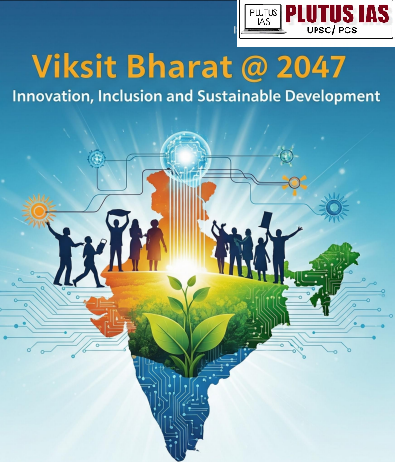
A national seminar on Viksit Bharat was held in Ranchi, focusing on India’s long-term development vision with emphasis on education, innovation, infrastructure, youth empowerment, and inclusive growth. The discussions highlighted the social dimensions of development
Human Capital and Education
Universal Access to Education: Universal and inclusive access to education forms the foundation of human capital development. Quality schooling for all, especially for girls, marginalised communities, and rural populations, reduces inter-generational poverty and social inequalities. It strengthens democratic participation by enabling informed citizenship and equal life chances.
Learning Outcomes and Equity: Access alone is insufficient without meaningful learning outcomes. Persistent gaps in foundational literacy, numeracy, and critical thinking disproportionately affect disadvantaged groups. Improving classroom quality, teacher training, and assessment systems ensures that education functions as an equaliser rather than reproducing social hierarchies.
Skill-Oriented Education: Aligning education with market-relevant skills enhances employability and productivity. Vocational education, apprenticeships, and industry-academia collaboration facilitate school-to-work transitions. Skill-based learning empowers youth, reduces unemployment, and promotes upward social mobility in a transforming economy.
Digital Education Expansion: Technology-enabled education expands reach beyond physical classrooms, particularly in remote and underserved regions. Digital platforms, online courses, and blended learning models help democratise access to knowledge. However, bridging the digital divide through infrastructure, affordability, and digital literacy remains essential to ensure inclusiveness.
Lifelong Learning and Adaptability: In an era of rapid technological change, education must extend beyond formal schooling. Lifelong learning enables individuals to reskill and upskill across their careers, enhancing adaptability and resilience. Continuous learning systems support innovation, labour market flexibility, and long-term economic competitiveness.
Youth and Social Empowerment
Demographic Dividend: India’s large youth population offers a unique opportunity to accelerate social and economic transformation if supported by education, health, and skill development.
Employment Opportunities: Access to productive and decent employment provides dignity, economic stability, and helps prevent social unrest among young populations.
Youth Participation in Governance: Engaging youth in democratic and civic processes strengthens institutions through innovation, accountability, and informed participation.
Entrepreneurship and Startups: Youth-led entrepreneurship promotes self-reliance, job creation, and socially relevant innovation at local and national levels.
Social Mobility: Empowered youth enable upward mobility by breaking intergenerational barriers of poverty, exclusion, and inequality.
Youth and Social Empowerment
Demographic Dividend: India’s large youth population offers a unique opportunity to accelerate social and economic transformation if supported by education, health, and skill development.
Employment Opportunities: Access to productive and decent employment provides dignity, economic stability, and helps prevent social unrest among young populations.
Youth Participation in Governance: Engaging youth in democratic and civic processes strengthens institutions through innovation, accountability, and informed participation.
Entrepreneurship and Startups: Youth-led entrepreneurship promotes self-reliance, job creation, and socially relevant innovation at local and national levels.
Social Mobility: Empowered youth enable upward mobility by breaking intergenerational barriers of poverty, exclusion, and inequality.
Inclusive Growth and Social Justice
Bridging Regional Disparities: Balanced regional development is essential to prevent spatial inequalities from hardening into structural exclusion. Disparities in infrastructure, employment opportunities, and public services between regions often fuel migration, social unrest, and uneven growth. Targeted investments in backward areas, aspirational districts, and border regions promote territorial equity and national cohesion.
Women Empowerment: Gender equality lies at the heart of inclusive social development. Empowering women through education, health, economic participation, and political representation improves household welfare and societal outcomes. Addressing barriers such as unpaid care work, gender-based violence, and limited access to assets is critical for achieving substantive equality.
Upliftment of Marginalised Groups: Social justice requires focused interventions for Scheduled Castes, Scheduled Tribes, minorities, persons with disabilities, and other vulnerable groups. Affirmative action, legal safeguards, and targeted welfare schemes help correct historical disadvantages. Inclusion of marginalised communities strengthens democratic legitimacy and social harmony.
Access to Basic Services: Universal access to health, education, drinking water, sanitation, and housing forms the minimum threshold of dignified living. Inequitable access to basic services perpetuates poverty and exclusion. Strengthening public service delivery ensures that development outcomes translate into real improvements in human well-being.
Reducing Income Inequality: Inclusive growth aims to ensure that the benefits of economic expansion are equitably distributed. Rising income inequality undermines social cohesion and economic stability. Progressive taxation, employment generation, social security, and targeted transfers help bridge income gaps and promote shared prosperity.
Infrastructure and Social Transformation
Infrastructure as Social Capital: Roads, housing, and connectivity improve quality of life.
Rural Development: Infrastructure strengthens rural livelihoods and reduces migration pressures.
Urbanisation and Social Change: Planned urban infrastructure supports sustainable social transitions.
Connectivity and Integration: Transport and digital networks integrate markets and communities.
Disaster-Resilient Infrastructure: Resilient infrastructure safeguards vulnerable populations.
Innovation and Cultural Adaptation
Technology for Social Good: Innovation improves access to public services and welfare delivery.
Indigenous Knowledge Systems: Local knowledge enhances sustainable development practices.
Balancing Tradition and Modernity: Development must respect India’s cultural diversity.
Digital Inclusion: Inclusive digital access prevents new forms of social exclusion.
Innovation in Social Policy: Evidence-based innovation strengthens policy outcomes.
Way Forward
Investing in Human Capital: Strengthening education, healthcare, and skill development is essential for building a productive and empowered society.
Youth-Centric Development: Creating employment, entrepreneurship, and leadership opportunities will harness India’s demographic dividend.
Promoting Inclusive Growth: Targeted interventions are required to ensure marginalised and vulnerable groups benefit from development.
Addressing Regional Inequalities: Balanced regional development can reduce socio-economic disparities across states and districts.
Integrating Innovation with Social Justice: Technology and innovation must be aligned with equity to ensure development remains people-centric and inclusive.
Conclusion
The Viksit Bharat seminar underscores that India’s journey towards development is fundamentally a social transformation. By prioritising education, youth empowerment, inclusive growth, infrastructure, and innovation while respecting cultural diversity, the vision aligns economic progress with social justice. Such a people-centric approach is essential for building a cohesive, resilient, and equitable Indian society in the long run.
Q. Discuss the role of human capital development in achieving the vision of Viksit Bharat, with special reference to education and skills.

- PRAGATI: A Decade of Cooperative, Outcome-Driven Governance - January 15, 2026
- Iran’s Large-Scale Protests: Political Stability, Public Dissent and Regional Implications - January 14, 2026
- India–Oman CEPA: A Strategic Trade Pact for Jobs, Exports and Regional Integration - January 10, 2026

No Comments