


11 Jun Viksit Krishi Sankalp Abhiyan: Bridging the Lab-to-Land Gap for a Developed Bharat
This article covers “Daily Current Affairs” and the topic Viksit Krishi Sankalp Abhiyan: Bridging the Lab-to-Land Gap for a Developed Bharat
SYLLABUS MAPPING:
GS-3- Agriculture- Viksit Krishi Sankalp Abhiyan: Bridging the Lab-to-Land Gap for a Developed Bharat
FOR PRELIMS
What is Viksit Krishi Sankalp Abhiyan (VKSA)? Why was the Viksit Krishi Sankalp Abhiyan (VKSA) launched?
FOR MAINS
What are the main challenges faced in implementing the VKSA on the ground?
Why in the News?
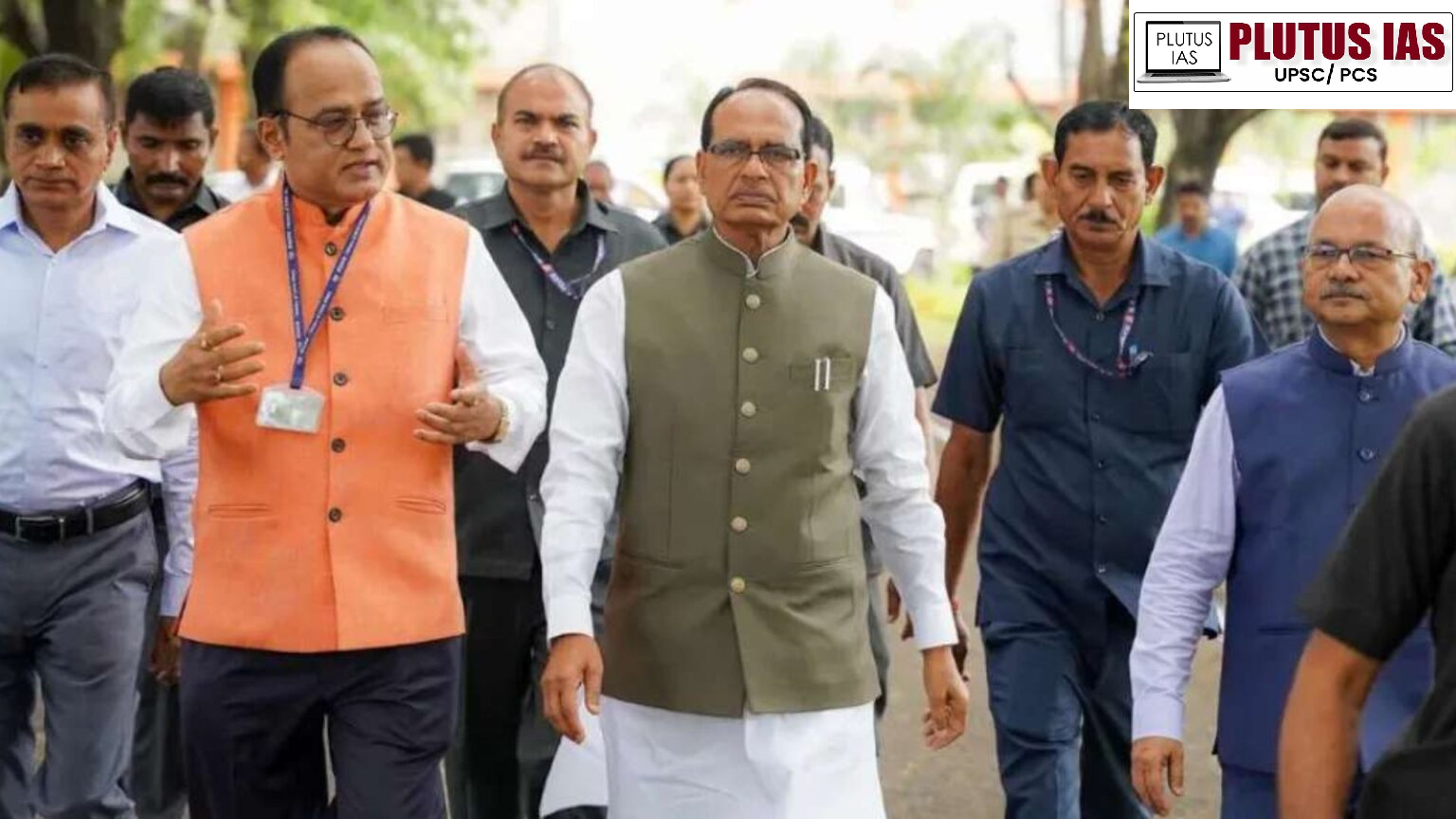
The Viksit Krishi Sankalp Abhiyan (VKSA) was launched on 29 May 2025 to strengthen the connection between agricultural research and farmers at the grassroots level. Led by the Union Agriculture Minister Shri Shivraj Singh Chouhan, the 15-day campaign aims to reach over 1.5 crore farmers in 700+ districts. With the support of more than 16,000 agricultural scientists and 2,170 interdisciplinary teams, VKSA promotes awareness about modern, scientific farming practices, government schemes, and sustainable agricultural growth. The campaign focuses on empowering farmers through knowledge, making them active partners in building a Viksit Bharat.
What is Viksit Krishi Sankalp Abhiyan (VKSA)?
Viksit Krishi Sankalp Abhiyan (VKSA) is a 15-day nationwide agricultural outreach campaign launched on 29 May 2025 from Puri, Odisha by the Union Ministry of Agriculture and Farmers’ Welfare. Led by Shri Shivraj Singh Chouhan, it aims to bridge the gap between scientific research and grassroots farming. The campaign targets 1.5 crore farmers across 700+ districts through the efforts of 16,000 agricultural scientists and 2,170 interdisciplinary teams. VKSA promotes modern farming techniques, soil health awareness, natural farming, and crop diversification. It embodies the vision of “Lab to Land”, empowering farmers with knowledge to improve productivity and income.
Purpose of Viksit Krishi Sankalp Abhiyan (VKSA)
1. Bridging Lab-to-Land Gap: VKSA connects over 16,000 scientists and 2,170 teams to farmers in 700+ districts, ensuring scientific knowledge reaches the grassroots.
2. Massive Farmer Outreach: Aims to engage 1.5 crore farmers across India through targeted field visits and demonstrations.
3. Pre-Kharif Awareness: Timed before the Kharif season to promote soil health, natural farming, and crop diversification.
4. Customised Field Support: Offers local solutions on seeds, irrigation, fertilisers, and pest control through direct farmer interaction.
5. Promoting Sustainable Farming: Encourages direct-seeded rice (DSR), organic inputs, biofertilizers, and water-saving techniques.
6. Boosting Productivity & Income: A 1-quintal/ha yield increase could raise national output by 20 million tonnes, improving farm incomes.
7. Feedback-Driven Policy Making: Collects on-ground feedback from farmers to fine-tune agricultural policies.
8. Towards Atmanirbhar Krishi: Advances PM Modi’s vision by integrating technology, innovation, and climate resilience in farming.
Why Viksit Krishi is important for Viksit Bharat
1. Employment Generator: Agriculture is the primary livelihood for over 50% of India’s population. A developed agricultural sector boosts rural employment, agro-processing, and allied industries.
2. Ensures Food Security: Enhanced productivity through modern practices ensures self-sufficiency in food grains, stabilizes prices, and reduces import dependency.
3. Reduces Rural-Urban Migration: Vibrant rural economies driven by profitable agriculture reduce migration pressures on urban areas.
4. Boosts Rural Incomes & Demand: Higher farmer incomes lead to greater rural purchasing power, stimulating consumption and local economic activity.
5. Encourages Agri-Tech Innovation: Drives innovation in AI, IoT, and drones for precision farming, creating new-age rural jobs and entrepreneurial opportunities.
6. Supports Climate Resilience: Promotes sustainable farming, water conservation, and climate-resilient crops—critical for environmentally secure development.
7. Strengthens Export Potential: With surplus and high-quality produce, India can increase agri-exports, improving the trade balance and global competitiveness.
8. Backbone for Allied Sectors: Agriculture drives growth in dairy, poultry, fisheries, logistics, and food processing, making it the foundation for a robust rural economy.
9. Inclusive Development: Reaches marginalized groups—women farmers, smallholders, tribal communities—ensuring equitable and inclusive growth.
Challenges in Viksit Krishi Sankalp Abhiyan (VKSA)
1. Limited Farmer Awareness: Many small and marginal farmers still lack awareness of modern technologies, sustainable practices, and government schemes.
2. Technology Adoption Barriers: High costs, low digital literacy, and inadequate access to agri-tech tools hinder the implementation of science-led agriculture.
3. Infrastructure Gaps: Inadequate rural infrastructure, such as irrigation, storage, cold chains, and transport, affects productivity and reduces farmer profits.
4. Fragmented Land Holdings: Small and fragmented land plots make mechanisation and efficient resource use challenging for millions of farmers.
5. Credit and Insurance Bottlenecks: Delays in access to institutional credit and crop insurance coverage discourage investment in new practices.
6. Climate Vulnerabilities: Increasing climate risks like erratic rainfall, droughts, and floods reduce the effectiveness of agricultural interventions.
7. Short Implementation Timeline: VKSA is a 15-day campaign, which may limit deep, long-term behavioural change without sustained follow-up action.
8. Coordination Issues: Effective collaboration between scientists, local administrations, and farmer groups requires robust planning and consistent monitoring.
Way forward
1. Sustained Engagement: Extend VKSA beyond a 15-day campaign into a continuous nationwide movement with seasonal follow-ups and village-level outreach.
2. Strengthen Agri-Extension Services: Institutionalise agri-extension networks with trained personnel, leveraging Krishi Vigyan Kendras (KVKs), FPOs, and Panchayati Raj institutions.
3. Promote Digital Agriculture: Accelerate the use of digital tools like mobile advisory apps, e-NAM, AI, and GIS-based crop advisories to enhance accessibility and transparency.
4. Enhance Infrastructure Support: Invest in rural infrastructure such as irrigation, cold chains, warehouses, and roads to improve farm-to-market connectivity.
5. Inclusive Policy Support: Design schemes tailored for women farmers, smallholders, and tribal communities to ensure equitable growth and participation.
6. Climate-Smart Agriculture: Scale up promotion of climate-resilient seeds, micro-irrigation, natural farming, and sustainable practices to mitigate climate risks.
7. Feedback-Driven Reforms: Use farmer feedback collected during VKSA to reform input delivery systems, crop insurance, and MSP frameworks.
8. Link with Education & Research: Integrate agricultural education, research institutions, and startups with VKSA to create a knowledge-driven ecosystem for innovation.
Conclusion
The Viksit Krishi Sankalp Abhiyan marks a significant step toward realizing the vision of Atmanirbhar Krishi for Viksit Bharat by empowering farmers through knowledge, technology, and sustainable practices. By directly connecting scientists with the farming community, the campaign has the potential to transform Indian agriculture into a more productive, resilient, and inclusive sector. However, to translate this short-term initiative into lasting impact, it is essential to institutionalise sustained outreach, improve infrastructure, and address systemic challenges like fragmentation, climate risks, and technology access. With coordinated efforts and continued farmer-centric policies, VKSA can become a cornerstone in India’s journey toward agricultural self-reliance and rural prosperity by 2047.
Prelims Questions
Q. With reference to the Viksit Krishi Sankalp Abhiyan (VKSA), consider the following statements:
1. VKSA is a year-long agricultural development program focused on boosting exports of cash crops.
2. It is led by the Union Ministry of Agriculture and aims to connect agricultural scientists with farmers.
3. The campaign promotes natural farming, crop diversification, and climate-resilient techniques.
4. VKSA was launched from Varanasi, Uttar Pradesh in 2025.
Which of the statements given above is/are correct?
(a) 1 and 2 only
(b) 2 and 3 only
(c) 3 and 4 only
(d) 1, 3, and 4 only
Answer: B
Mains Questions
Q. Viksit Krishi Sankalp Abhiyan (VKSA) aims to bridge the gap between agricultural research and grassroots farming in India. Discuss the significance of this campaign in transforming Indian agriculture. Also, highlight the key challenges and suggest a way forward.
(250 words, 15 marks)


No Comments